Let’s get something straight: minimalism has had its moment in the maximalist living room debate. The all-white everything, the single houseplant doing its lonely best in the corner, the “negative space” that just looks like you forgot to buy furniture. Bless its heart. But 2026 belongs to the maximalists — the bold, the layered, the unapologetically “yes, I own seven throw pillows and I will use all of them.”
If you’ve ever walked into a hotel lobby, gasped, and thought “I want to live here” — this post is your permission slip. A maximalist living room isn’t chaotic. It’s curated chaos. And yes, there IS a difference (your judgy friends just don’t know it yet).
What Even IS Maximalism? Your Guide to the Maximalist Living Room
Maximalism is the design philosophy that says: more is more. It’s the art of deliberately layering colors, patterns, textures, and objects to create a space that tells your story. Not your Pinterest aesthetic. YOUR actual story — the one with the vintage record player, the embarrassing collection of ceramic frogs, and the two mismatched sofas you love too much to get rid of.
In 2026, maximalism has evolved. It’s not about hoarding or overwhelming a space. The new maximalism is intentional. It’s rich, layered, and confident. Think: jewel-toned walls, statement furniture, gallery walls that actually mean something, and plants (many, many plants) that aren’t just there for the Instagram shot.
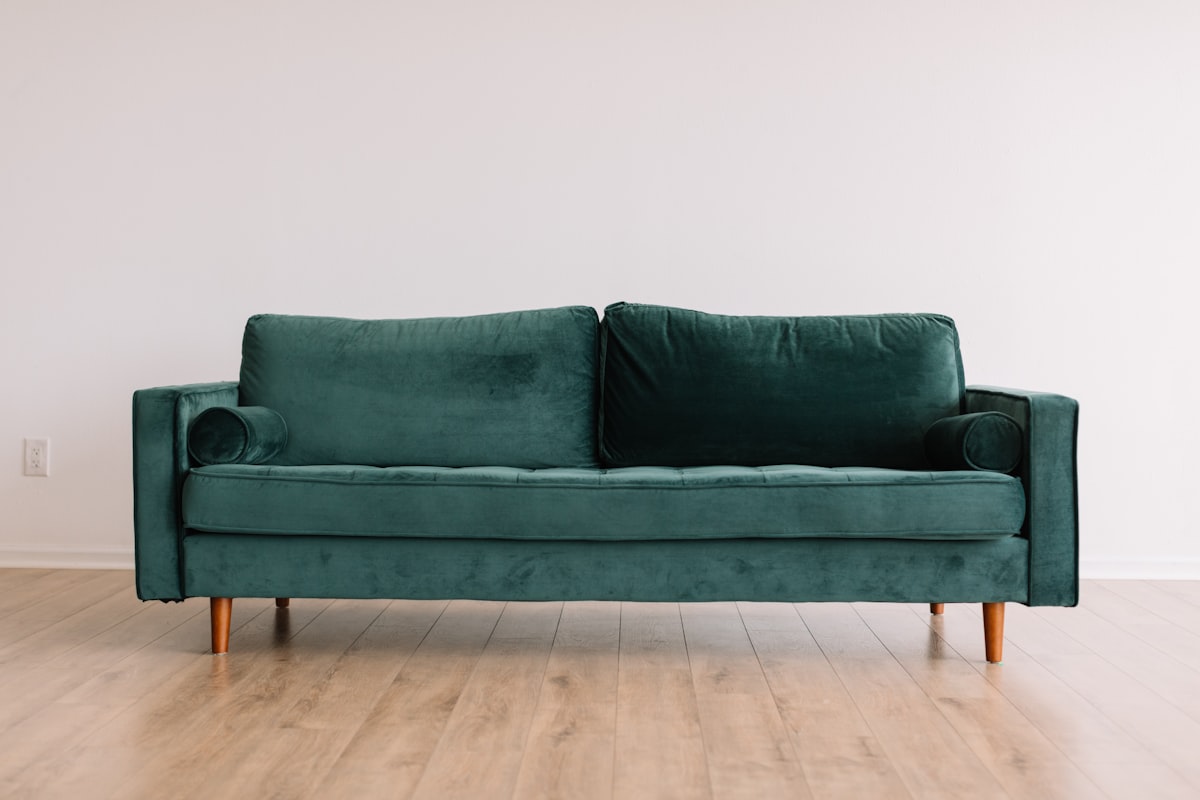
1. Start With a Statement Sofa (The Anchor of Your Universe)
In a maximalist living room, your sofa is not furniture. It’s a declaration. It says something about who you are, what you stand for, and whether you take life seriously enough to invest in velvet. (Spoiler: velvet is always the right answer.)
In 2026, the most coveted statement sofas are oversized sectionals in deep jewel tones — think forest green, sapphire blue, and burgundy. Don’t be scared of a curved sofa either. That gentle arc is basically whispering “you’re in a boutique hotel, darling” every time you sit down.
Pro tip: if your sofa doesn’t make at least one person say “oh wow” when they walk in, it’s doing the bare minimum. The bar is higher now.
2. Layer Patterns Like a Pro (Without Having a Meltdown)
Here’s the rule everyone gets wrong: you CAN mix patterns in a maximalist space. In fact, you should. The secret is the 60-30-10 rule — but make it maximalist. Choose one dominant pattern (say, a large floral or bold stripe), a secondary pattern that complements it (geometric or plaid), and an accent pattern that ties them together (leopard print, anyone?).
The key is to vary the SCALE of your patterns. A huge floral wallpaper + a medium-stripe pillow + tiny polka dot throw = chef’s kiss. A huge floral wallpaper + huge checkerboard rug = visual earthquake. We love earthquakes in movies. Not in living rooms.
In 2026, the hottest pattern combinations are: botanical prints with Art Deco geometrics, vintage Persian motifs with modern abstract art, and animal prints used as a neutral (yes, a neutral). If leopard still makes you nervous, start with a small pillow. Work up to the rug. Trust the process.
3. Build a Gallery Wall That Actually Tells Your Story
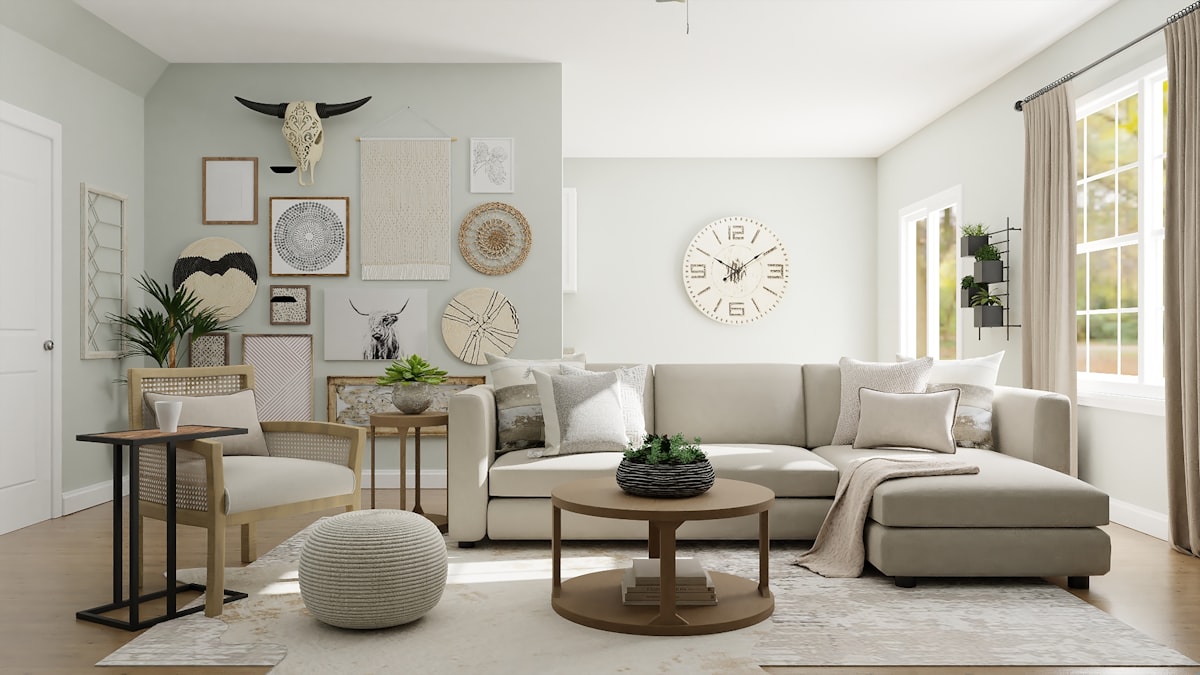
Nothing screams “I’ve given up on decorating” like a single framed print floating alone on a big empty wall. In a maximalist living room, walls are real estate. Prime real estate. Use them.
A maximalist gallery wall in 2026 mixes: original art (even your own sketches count), vintage mirrors in ornate frames, printed photographs, sculptural wall hangings, and framed fabric or wallpaper swatches. The golden rule? No matching frames. Matching frames are the beige cardigan of gallery walls. Done.
Start by laying everything out on the floor first. Snap a photo. Live with the arrangement for a day. Then hang it up. This process has saved countless marriages and several friendship groups.
4. Go Bold With Color (Your Walls Deserve Better Than Greige)
Greige. The color that says “I wanted color but got scared at the last minute.” In a maximalist living room, we do not do greige. We do deep emerald green. We do oxblood red. We do sapphire blue walls with gold trim. We do color drenching (painting walls, ceilings, and trim all the same bold shade) which, if you haven’t tried it, is absolutely the interior design equivalent of a main character moment.
The 2026 maximalist color palette leans into: deep jewel tones (emerald, sapphire, amethyst, ruby), earthy richness (terracotta, saffron, burnt sienna), and unexpected pops of neon used sparingly as accents.
Commit to one dominant wall color and build your accessories around it. The worst thing you can do is pick a bold color and then furnish timidly. You’ve already jumped off the board – just dive.
5. The Plant Situation: Go Big or Go Jungle
A maximalist living room without plants is like a party without music. Technically possible. But why? In 2026, we’re embracing what designers call “plantscaping” — the strategic use of plants as architectural, decorative elements, not just afterthoughts in the corner.
The maximalist rule for plants: vary the height, vary the pot, and never worry about having too many. Floor-to-ceiling fiddle leaf figs next to trailing pothos on high shelves next to a cluster of cacti on the coffee table is not too many. That is called character. A single succulent in a plain white pot is too few. We said what we said.
The pots matter as much as the plants. Think: hand-thrown ceramic in earthy glazes, rattan baskets, ornate vintage urns, and sculptural geometric planters. Make the vessels as beautiful as the greenery.
6. Layer Your Lighting: Set the Mood, Not Just the Room
Here’s the lighting truth nobody wants to hear: overhead lighting alone is the enemy of atmosphere. That harsh ceiling light buzzing away in your maximalist living room is the design equivalent of showing up to a black-tie event in cargo shorts.
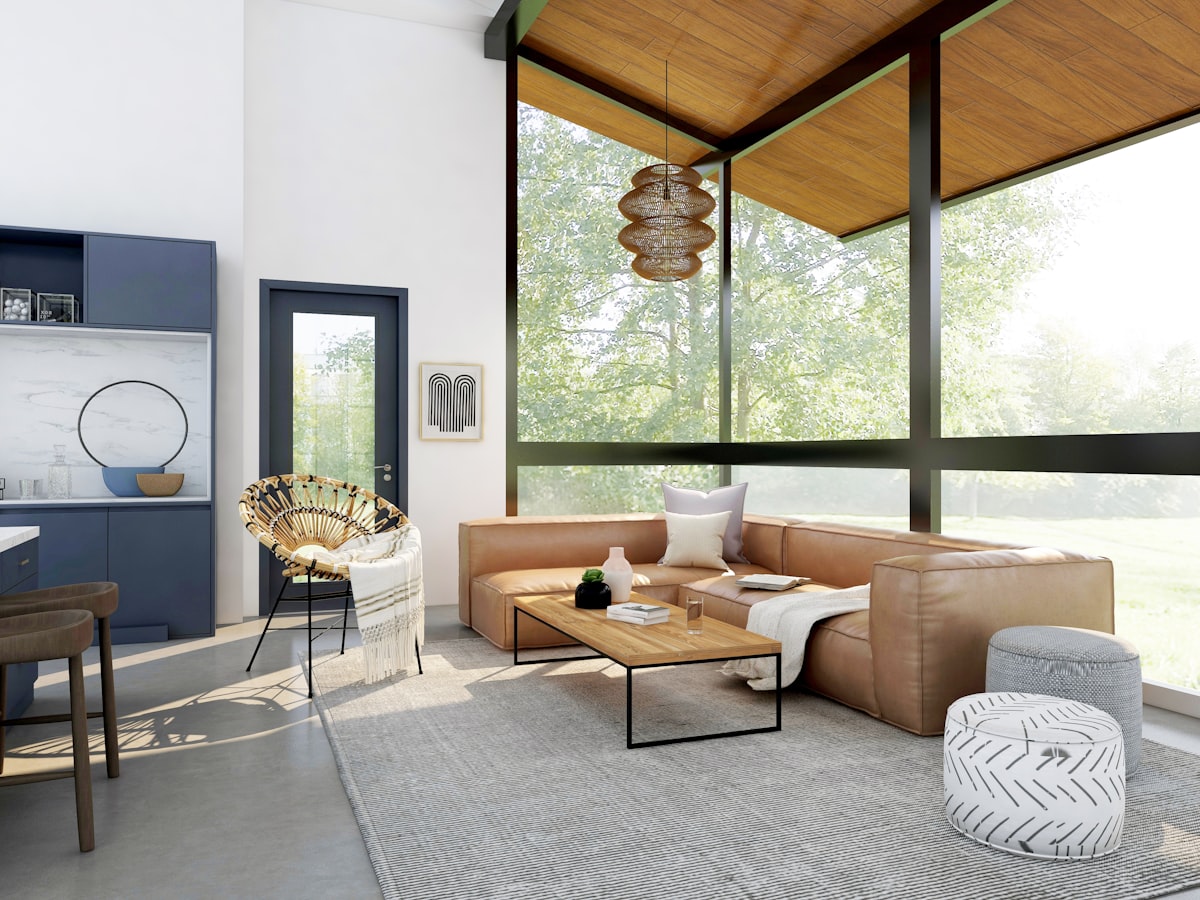
Maximalist lighting in 2026 is about layers: a statement chandelier or sculptural pendant (the ceiling is prime real estate, use it), floor lamps in interesting shapes, table lamps with bold bases and rich shades, and candles. Many candles. Think of lighting as jewelry for your room — it should be interesting to look at even when it’s off.
Warm bulbs only. 2700K maximum. If you’re still using cold white light, put this article down and go change your bulbs first. We’ll wait.
The Golden Rule of Maximalism: There Are No Rules (Kind Of)
Here’s the ultimate secret of maximalism that every interior designer will tell you but very few people actually internalize: the space should feel like YOU. Not like a magazine shoot (though if it does, incredible). Not like your sister’s aesthetic. Not like something you think you should want.
When someone walks into your maximalist living room, they should immediately understand something true about you. Your travels, your obsessions, your sense of humor, your comfort with the beautiful and the weird. A room that reveals nothing is a room that belongs to no one.
The maximalist living room in 2026 is about personality over perfection. It’s about walking in after a long day and thinking, “yes, this is mine.” So start with what you love. Display what matters. Layer boldly. Mix freely. And remember: your home is the one place where nobody can tell you there are too many throw pillows.