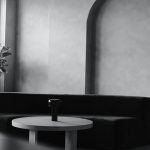
You scroll past it on Instagram. You stop. Something about it just hits different. It’s a living room — or maybe a bedroom — and it looks like it belongs in a five-star resort. But here’s the wild part: there’s barely anything in it. A sofa. A rug. A single lamp doing all the heavy lifting. That’s it. And somehow, it looks like a million bucks.
This is not a coincidence. This is not minimalism for minimalism’s sake. This is a deliberate, ruthless, brilliantly executed design philosophy — and once you understand it, you’ll never look at a cluttered room the same way again.

The Loudest Rooms Are the Emptiest Wallets
Let’s start with the uncomfortable truth: most of us buy furniture to fill space. We see a corner and we think, that corner needs something. We walk through IKEA and suddenly we “need” a side table, a decorative ladder, three throw pillows in slightly different shades of mustard, and a fake plant named Gerald.
Sound familiar? Yeah. We’ve all been there.
But here’s what the world’s top interior designers will tell you — and what their clients pay them thousands of dollars to hear — more furniture does not equal more luxury. In fact, it’s usually the exact opposite. The rooms that make jaws drop, that earn genuine “wait, what’s the square footage?” gasps — those rooms are almost always defined by what’s not in them.
What “Expensive” Actually Looks Like (Hint: It’s Space)
Walk into a budget hotel room. It’s packed — bed, nightstands, dresser, desk, chair, TV unit, lamp on every surface. Everything matches. Everything is accounted for. And it feels… cheap. Cramped. Loud.
Now walk into a boutique five-star suite. There’s a bed — an absolutely glorious bed, we’ll talk about that — maybe one side table, one statement chair in the corner, and then… air. Blessed, intentional, expensive-looking air.
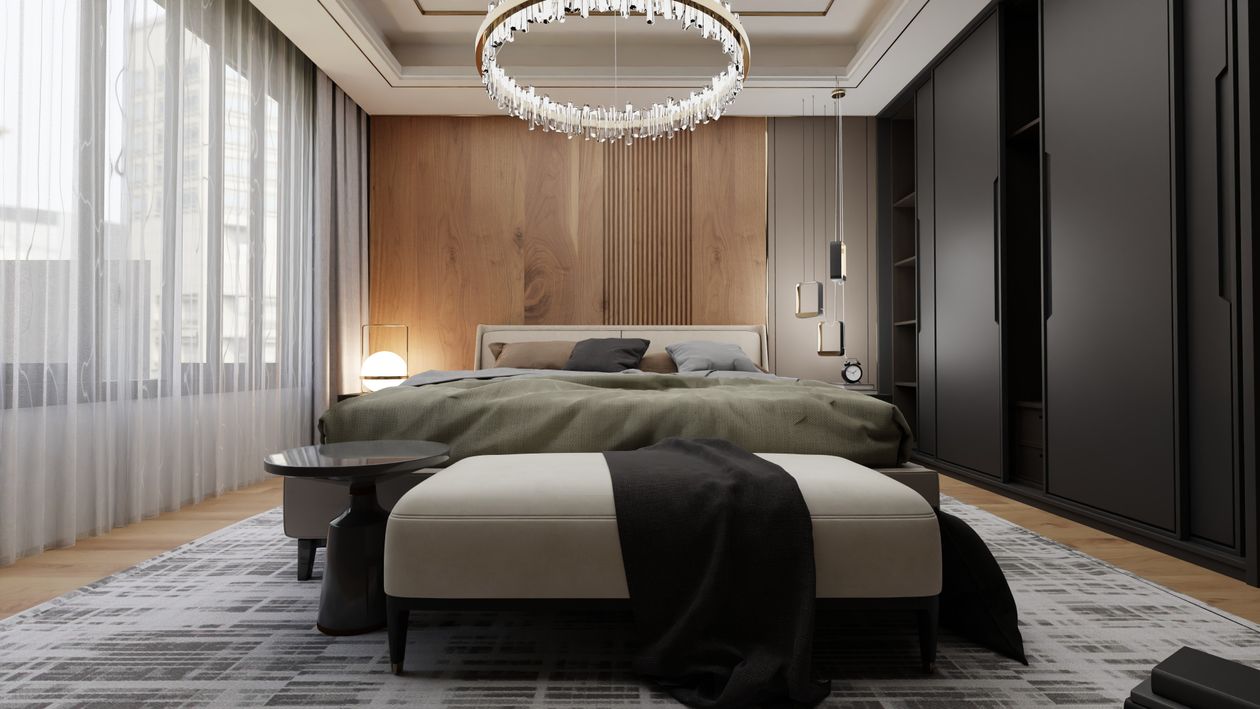
That space? It’s not emptiness. It’s negative space — one of the most powerful and underused tools in interior design. Negative space gives the eye somewhere to rest. It makes the pieces that are there feel deliberate. Chosen. Worth it. It says, we had options, and we chose only the best.
The Psychology Behind the Empty Corner
Here’s where it gets interesting (and a little bit science-y, bear with us). Our brains are pattern-seeking machines. When we walk into a room stuffed with furniture, our brains go into overdrive — processing every surface, every object, every visual “ping.” It’s exhausting. You feel it even if you can’t name it.
But when a room has fewer, carefully selected pieces? Your brain relaxes. It settles into the space. And something fascinating happens: it starts to assign value to what’s there. A single beautiful armchair in a well-proportioned room feels like a throne. That same armchair stuffed between a bookcase and a floor lamp just becomes furniture.

Context is everything. Scarcity signals value. This is why art museums don’t hang 47 paintings on one wall. It’s why Rolex doesn’t cram their window full of watches. White space isn’t wasted space — it’s the most expensive thing in the room.
Quality Over Quantity: The Golden Rule They Don’t Teach You
Here’s the practical side of all this philosophy: when you commit to fewer pieces, you can invest more in each one. Instead of buying seven mediocre things, you buy three exceptional things. And those three exceptional things — the ones with real craftsmanship, beautiful materials, and a silhouette that makes sense in the room — will make your space look like a spread in Architectural Digest.
Think about it: would you rather have a bedroom with a cheap bed frame, two mismatched nightstands, a wobbly dresser, a bench you never sit on, and a chair covered in clothes? Or a bedroom with one stunning bed, one perfectly placed nightstand, and a light that makes everything glow like you’re always golden hour?
Option B every time. And Option B is often less expensive in total — because you’re buying less.
The Furniture That Does the Most Work
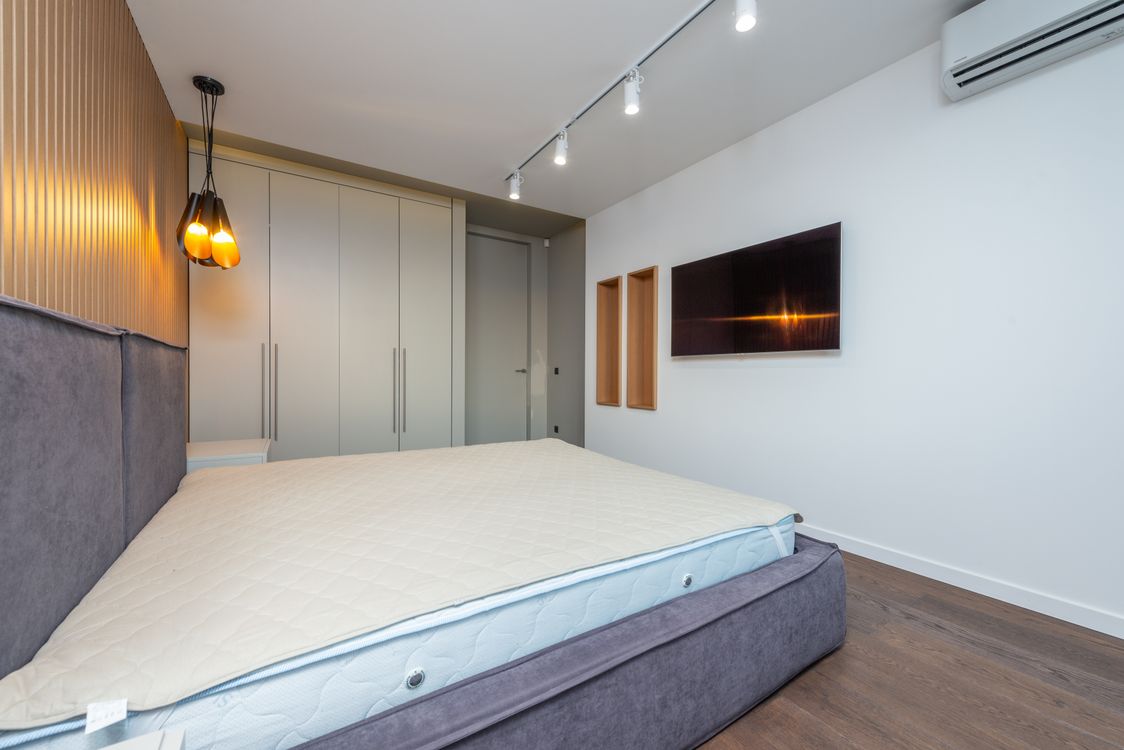
In a high-impact, low-clutter room, every single piece has to earn its place. No passengers. So which pieces carry the most visual weight and do the most design work? Let’s break it down:
- The Bed (or Sofa): This is your anchor. In a bedroom, a bed with a tall, sculptural headboard instantly communicates luxury. Upholstered linen, channeled velvet, curved wood — pick your weapon. It becomes the undeniable focal point, and everything else orbits around it.
- The Rug: A great rug grounds the room. It defines the space, adds warmth, and — crucially — it tells the room where it starts and where it ends. Too small, and everything floats. Right-sized, and suddenly the room clicks into place like a puzzle piece you’ve been looking for.
- The Lighting: Oh, lighting. Underestimated by almost everyone. A statement pendant or a sculptural floor lamp can transform a room the way a great pair of shoes transforms an outfit. It’s functional art. And in a minimalist room with breathing space, it becomes a moment.
- One Organic Element: A branch in a tall vase. A linen throw tossed (perfectly imperfectly) over the armchair. A single potted plant with architectural leaves. Nature adds the kind of effortless, non-manufactured beauty that no furniture catalog can replicate.
How to Actually Do This in Your Own Home
Alright, enough theory — let’s get practical. You don’t have to gut your entire house to pull this off. Here’s how to start applying this thinking room by room:
Step 1: The Edit
Before you buy a single thing, remove something. Walk into the room and ask yourself: what would I miss if it disappeared? Anything that doesn’t make the cut — out. Put it in another room, donate it, sell it. The goal isn’t to suffer in an empty room. The goal is to keep only what genuinely earns its place.
Step 2: Define Your Focal Point
Every great room has one thing that demands attention when you walk in. In a bedroom, it’s almost always the bed. In a living room, maybe a fireplace, a piece of art, or a spectacular sofa. Identify that focal point, then let everything else take a supporting role. The star of the show shouldn’t have competition.
Step 3: Mind the Negative Space
Once you’ve edited down, look at what’s left. Are there areas of floor you can see? Wall space that breathes? Good. Protect that. When your eye instinctively wants to fill a corner, resist. Sit with the discomfort for a week. You’ll be amazed — that “empty” space starts to feel intentional. Considered. Rich.
Step 4: Upgrade Strategically
Now that you’ve pared back, you’ll notice which pieces feel weak. Maybe the rug is the wrong size. Maybe the lighting is flat and boring. Invest in upgrading those one at a time. You don’t need a renovation budget. You need a hierarchy of priorities — and the willingness to wait for the right piece instead of settling for the easy one.
The Bedroom: Where This Philosophy Hits Hardest
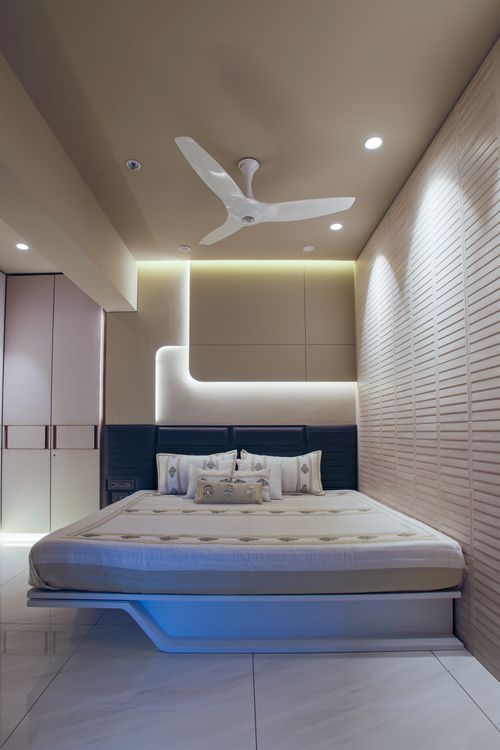
If there’s one room in your home where the “less is more” philosophy delivers the most dramatic results, it’s the bedroom. A bedroom is supposed to be a sanctuary — a place of rest, calm, and recovery. Nothing about that mission is served by a dresser so full you can’t close the drawers, or a chair that’s become a monument to clothes you haven’t decided about yet.
The most beautiful bedrooms in the world — the ones plastered across Pinterest boards and saved three thousand times — share a common thread: they look like a deep breath feels. Clean lines. Soft textures. A bed that commands the room. And space. So much beautiful, intentional space.
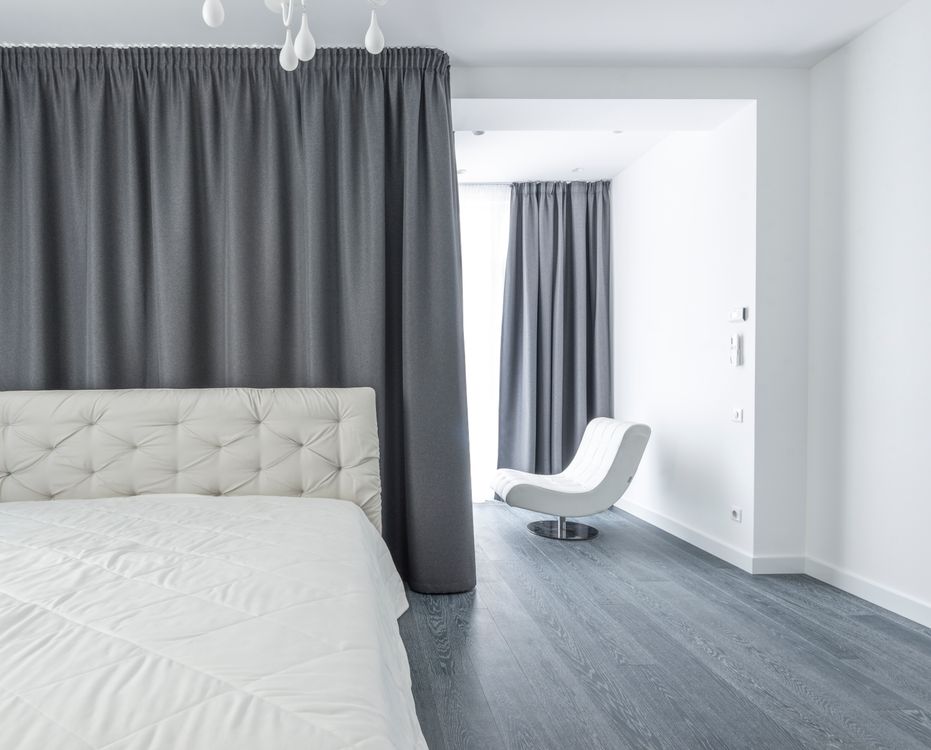
Your bedroom doesn’t have to look like a showroom. But it can look like a place you actually want to be in. And more often than not, getting there means taking things out — not putting more in.
The Bottom Line (And the Permission You Didn’t Know You Needed)
Here it is, plain and simple: you do not need more furniture to have a more beautiful room. You need better choices, more courage to leave space alone, and a willingness to let a few exceptional pieces do all the talking.
The most expensive-looking rooms in the world are not expensive because they’re full. They’re expensive-looking because they’re curated. Because someone made the deliberate, difficult, deeply satisfying decision to stop buying things and start being intentional about space.

That’s a decision you can make today. No budget required. Just a critical eye, a free afternoon, and the radical permission to let “almost nothing” be more than enough.
Ready to transform your bedroom into the sanctuary it was always meant to be? Explore our curated guides on minimalist bedroom design, statement furniture picks, and the pieces worth investing in — right here on Bedroomcore.