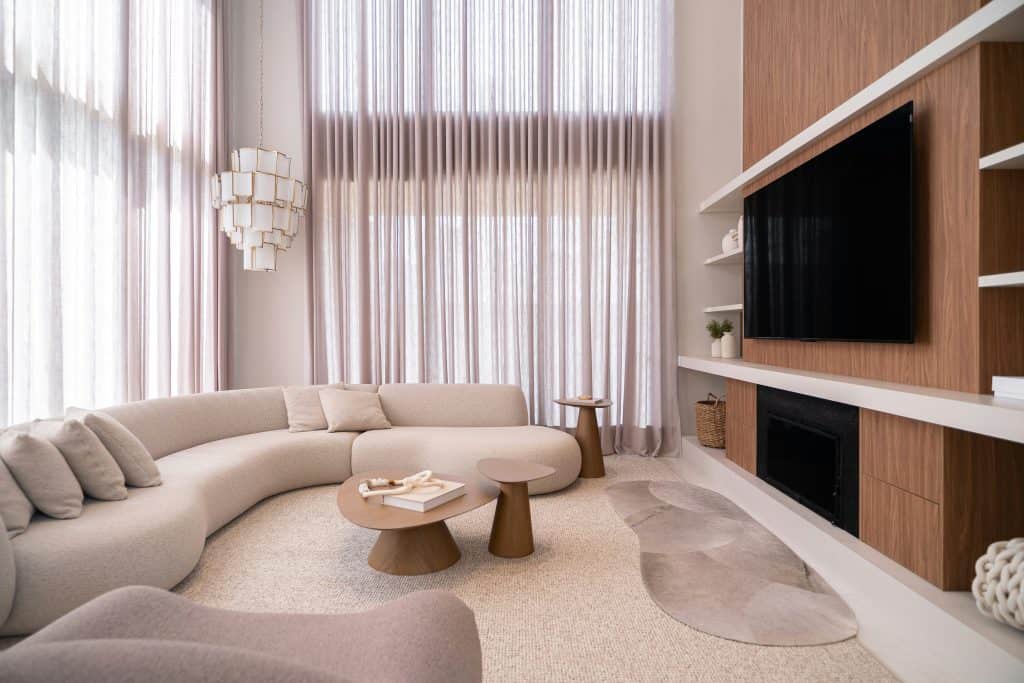
You’re about to spend $800–$3,000 on a sofa. The wrong choice means years of regret staring at you from the corner of your living room. Here’s exactly how to pick the right one.
Why This Decision Matters More in 2026
The sofa market shifted hard this year. Both Better Homes & Gardens and ELLE Decor highlight sculptural, curved upholstery as one of the key furniture trends shaping 2026 living rooms. But trending doesn’t automatically mean right for your space, your budget, or your lifestyle.
This isn’t a style guide. It’s a decision framework — with real numbers.
What You’re Actually Choosing Between
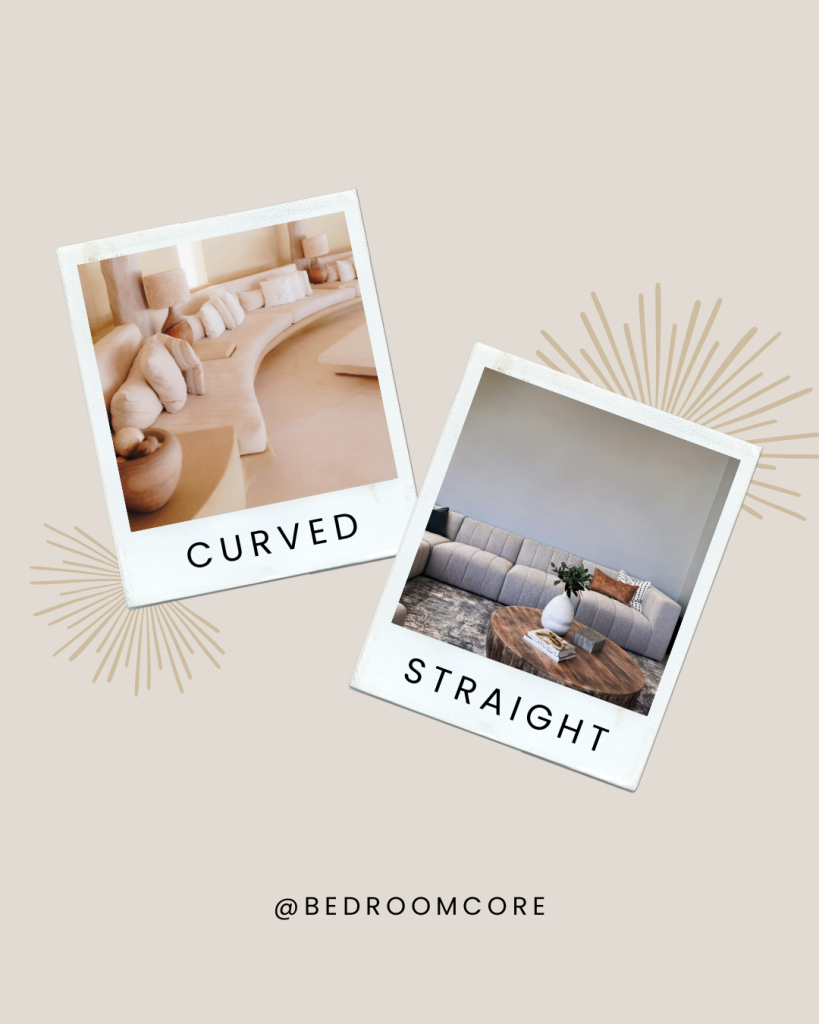
| Curved Sofa | Traditional Sofa | |
| Price range | $1,200–$4,000+ | $500–$2,500 |
| Best room size | 12ft+ width | Under 300 sq ft |
| Flexibility | Low | High |
| 2026 Trend | Yes | Needs Styling |
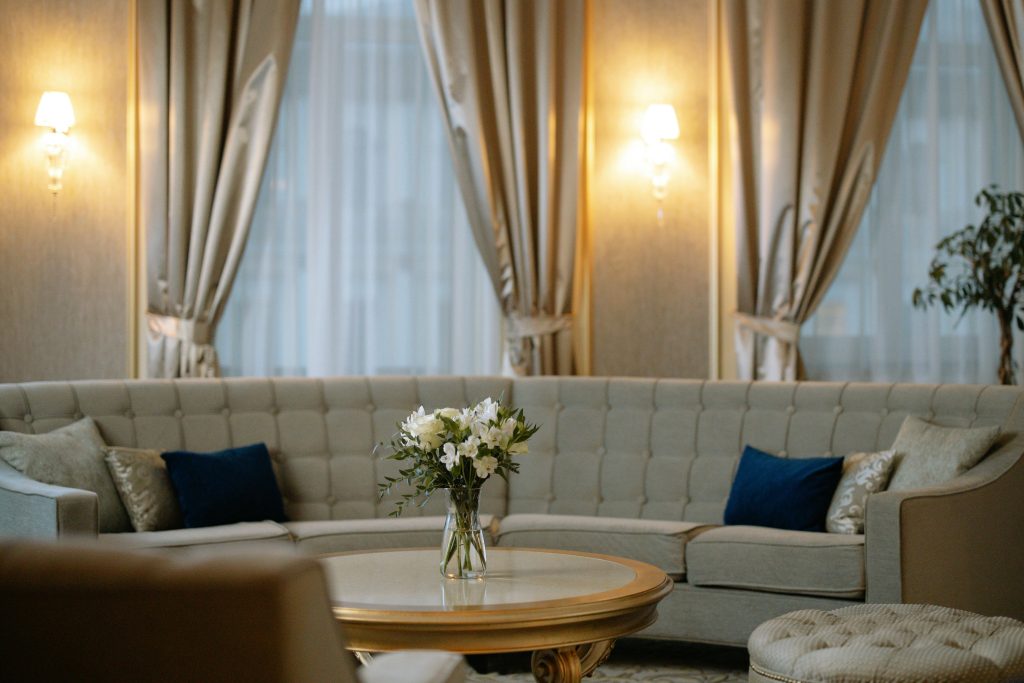
The curved sofa has a gently arched or semicircular silhouette. It’s designed to float in the center of a room, wrap people inward, and act as a sculptural focal point. Price range: $1,200–$4,000+
The traditional straight sofa sits flush against a wall, maximizes usable floor space, and fits rectangular rooms without friction. Price range: $500–$2,500
That $700+ price gap is the first number focus on. Now let’s see what you get for it.
Curved Sofa: What It Does Well
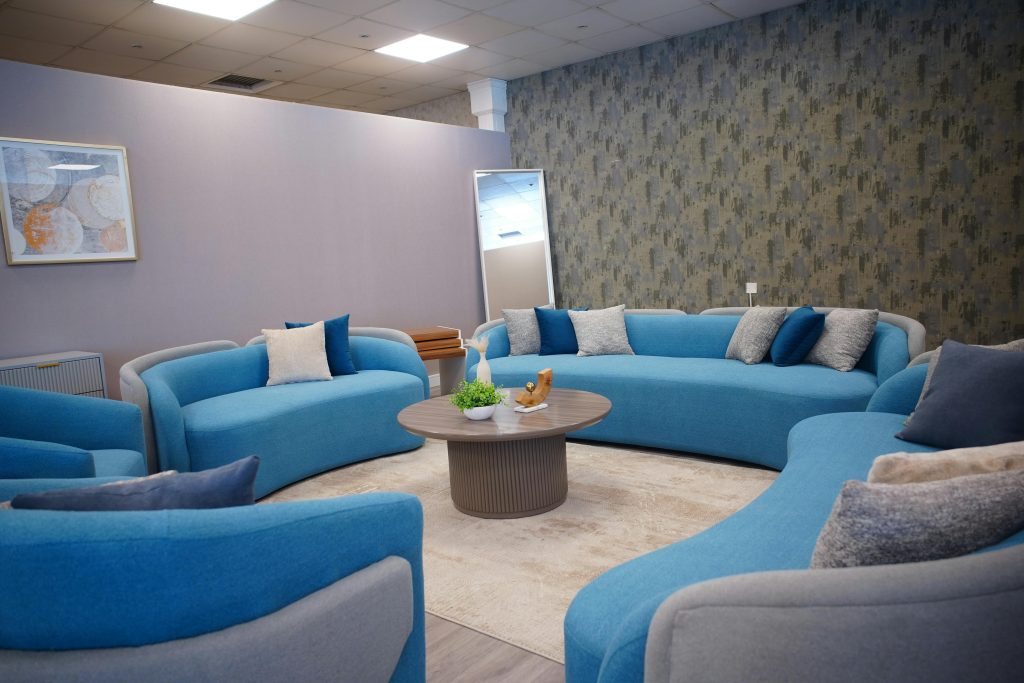
1. It turns a room into a conversation Curved sofas have a charm that changes how a room feels — their gentle, round shapes invite people in and create a cozy feeling at the heart of any space. If you host regularly, this matters. People literally lean toward each other.
2. It solves awkward rooms Open-plan spaces, rooms with wide doorways, oddly shaped corners — a curved sofa defines a living area most effectively when you don’t want to create visual “boxes” in a beautiful open-plan apartment.
3. It’s a floating centerpiece Because it looks good from every angle, a curved sofa is perfect for floating in the middle of an open-plan space — position it so the arc wraps around a round coffee table, with its back subtly defining the edge of the living zone.
4. It ages better than you’d think Curved sofas follow a long design lineage — from 1940s icons to 1970s showpieces — so they’re more of a recurring classic than a fad.
Curved Sofa: What It Gets Wrong
1. It’s not a TV sofa This one matters more than people admit. “Curved sofas aren’t TV-watching sofas. You can’t lounge across them. They’re cocktail couches instead,” says designer Bryan O’Sullivan. If Netflix is a core living room activity in your house, you’ll feel this daily.
2. It punishes small rooms Curved sofas eat up space, visually and physically — if you want one in a small room, you’d better make sure it’s petite.
3. It locks you in “They can be a lot more expensive than a traditional sofa, and if you are someone who likes to rearrange your furniture, a curved sofa won’t give you that same flexibility.”
4. It can create dead zones If you don’t consider the overall design of a room correctly, a curved sofa can create pockets or holes in a space. Poor placement and you’ve wasted both money and square footage.
Traditional Sofa: What It Does Well
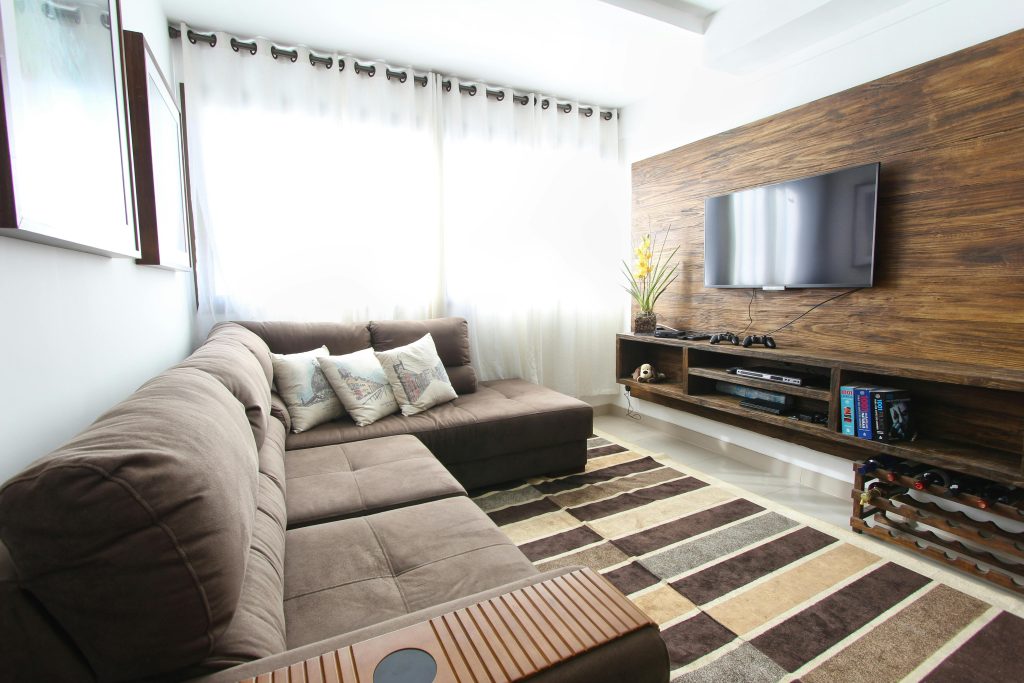
1. It fits almost every room Straight sofas make sense for square or rectangular shaped living rooms — sitting flush against the wall, they give your living room more space in the center, which is perfect for small living rooms.
2. It zones open spaces cleanly Straight sofas help carve up zones and divide open-plan spaces, with a rigid straight-edge back clearly marking the end of one zone and the beginning of the next.
3. It’s the better value entry point At $500–$1,500 for a quality traditional sofa, you spend less and still get a durable, functional anchor piece for your room.
4. It’s rearrangeable Move it against the wall. Float it. Pair it with a chaise. Swap it out in two years without feeling like you demolished a design concept.
Traditional Sofa: What It Gets Wrong
1. It can feel harsh A commonly reported problem with straight sofas is that they can feel too harsh — creating too many lines in a living room that might not be conducive to a relaxed design.
2. It’s the “safe” choice — for better and worse If your goal is a living room that feels intentional and designed, a traditional sofa rarely achieves that alone. It needs strong supporting pieces to carry the room.
3. In 2026, it reads as default If your living room still revolves around a boxy sofa pushed against the wall, 2026 is the year that changes. Traditional isn’t wrong — but in a trend cycle moving toward organic shapes, it takes more styling work to make a rectangular sofa feel current.
The Head-to-Head Breakdown
“The math: a $900 traditional sofa plus $300 in throw pillows and a round coffee table will outperform a $1,800 curved sofa in the wrong space every single time.”
BEDROOMCORE
The Verdict: Who Should Buy Which
Buy the curved sofa if:
- You have an open-plan living room with at least 12–14 ft of width
- You host people regularly and want seating that drives conversation
- You’re willing to commit to a layout and keep it for 5+ years
- Your budget is $1,500+ and design is a priority over pure function
- You want the ability to host large groups with a “conversation island” between living and dining zones
Buy the traditional sofa if:
- Your living room is rectangular and under 300 sq ft
- You watch TV daily from the sofa
- Your budget is under $1,500
- You move or redecorate frequently
- You want a foundation piece you can build around over time
2026 Price Reality Check
Entry-level curved sofas from quality brands start around $1,397–$1,499, with larger configurations and premium fabrics pushing toward $2,597 and beyond. A well-built traditional sofa from a mid-tier brand starts at $600–$900 and scales up to $2,000 for hardwood frames with performance upholstery.
The math: if you’re not confident your room can carry a curved sofa, a $900 traditional sofa plus $300 in throw pillows and a round coffee table will outperform a $1,800 curved sofa in the wrong space every single time.
One Rule That Settles It
Measure your room before you decide anything else. Aim to leave at least 30–36 inches of walkway between the sofa and other furniture so you’re not sidestepping to reach the kitchen.
If you can float a sofa in the center of your room and still have 30+ inches of clearance on all sides — go curved. If you can’t — go traditional and spend the saved money on better fabric and a statement coffee table.
Ready to shop? Check out our curated picks for the [best curved sofas under $2,000] and [best traditional sofas for every room size] — all hand-selected for build quality, value, and 2026 style.