



You paid it upfront. You lived carefully. You cleaned before you left. And yet — your landlord sends back only a fraction of your security deposit, or nothing at all. This happens to nearly half of all renters in the United States. But it doesn’t have to happen to you.
This complete guide walks you through every step — before you move in, during your tenancy, and after you hand over the keys — so you can get every dollar of your security deposit back.
“Your security deposit is your money. Protecting it starts on day one — not moving-out day.”
The Security Deposit Problem: By the Numbers
Before diving into the checklist, it helps to understand the scale of the problem. Security deposit disputes are one of the most common — and most preventable — conflicts between tenants and landlords.
- 45% of renters report having a portion of their security deposit withheld, according to a 2022 survey by Apartment List.
- $2,500–$3,500 is the average security deposit in major U.S. cities, equivalent to 1–2 months’ rent (National Multifamily Housing Council, 2023).
- Only 28% of renters who disputed a deduction ended up taking formal legal action, even though tenant-friendly small claims courts often rule in renters’ favor (Tenants Together, 2023).
- 34 out of 50 U.S. states require landlords to return deposits within 14–30 days or forfeit the right to make deductions (NOLO Legal Encyclopedia).
- Normal wear and tear — the most common unjust deduction — is legally non-chargeable in all 50 states, yet it accounts for the majority of disputed deductions.
“Landlords who miss the statutory return deadline often lose the legal right to make any deductions — even legitimate ones.”
What Landlords Can (and Cannot) Legally Deduct
Understanding this distinction is critical. Many deductions renters accept as legitimate are actually illegal.
Legal Deductions
- Unpaid rent or utilities owed at time of vacancy
- Damage beyond normal wear and tear (e.g., large holes in walls, broken fixtures, pet damage)
- Excessive cleaning required (e.g., heavily soiled carpets, grease-coated oven)
- Unreturned keys or access cards
- Lease-breaking fees (if specified in your lease)
Illegal Deductions (Normal Wear and Tear)
- Small nail holes from picture frames
- Faded or scuffed paint from normal use
- Worn carpet in high-traffic areas
- Minor scuffs on hardwood floors
- Faded curtains or blinds from sun exposure
- Loose door handles or hinges from regular use
- Light scratches on appliances
“If it would happen to any reasonable person living in the space, it’s wear and tear — and it’s on the landlord.”

PHASE 1: Before You Move In (The Most Important Phase)
Most deposit disputes are won or lost before you ever unpack a box. What you do on move-in day — or even before signing — determines whether you can defend yourself later.
Move-In Checklist
- Request a move-in inspection form — Many states legally require landlords to provide one. If not, create your own using a room-by-room template.
- Photograph and video every room — Use timestamps. Capture walls, floors, ceilings, appliances, windows, and fixtures from multiple angles.
- Document all pre-existing damage in writing — Note chips, stains, marks, cracks, and broken items. Be specific: “2-inch crack in kitchen tile near refrigerator.”
- Test all appliances — Oven, dishwasher, garbage disposal, HVAC, washer/dryer, and any included electronics.
- Check all doors and windows — Confirm they open, close, and lock properly.
- Inspect all plumbing — Run faucets, flush toilets, check for leaks under sinks.
- Look for signs of mold or water damage — Check corners, under sinks, around windows.
- Count and test all keys — Note how many you received and confirm they all work.
- Read your lease in full — Note any clauses about cleaning fees, pet policies, or early termination.
- Get the landlord to sign the move-in inspection — If they won’t, email it to them and keep the sent record.
- Know your state’s deposit return deadline — It typically ranges from 14 to 45 days after move-out.
- Get renters insurance — It won’t protect your deposit, but it protects your belongings and can prevent scenarios that would cost your deposit.
“A photo taken on move-in day is worth more than any argument you’ll make on move-out day.”
PHASE 2: During Your Tenancy
Your deposit isn’t just protected at the beginning and end of your lease. How you live and communicate throughout your tenancy matters enormously.

- Report maintenance issues in writing immediately — Email or text your landlord about any problems. This creates a paper trail and shifts liability for damage that worsens due to inaction.
- Keep all communication in writing — Even if you talk in person, follow up with a short email summary.
- Never withhold rent without legal guidance — Even if repairs aren’t being made, withholding rent improperly can cost you your deposit and your tenancy.
- Do not make unauthorized alterations — No painting walls, removing fixtures, installing new hardware, or making structural changes without written landlord approval.
- Clean regularly to prevent buildup — Grout, oven interiors, fridge seals, and HVAC filters are the most-cited deposit deductions. A monthly clean prevents deep cleaning fees.
- Handle minor damage promptly — A small wall scuff or loose towel bar is far cheaper to fix yourself than to have a landlord repair at move-out.
- Review your lease annually — Make sure you’re still complying with pet, occupancy, and subletting clauses.
- Save receipts for any repairs you make — This shows good faith and prevents being charged twice for the same fix.
PHASE 3: Before You Move Out (30 Days Before)
The final month before you hand in your keys is your biggest opportunity to control the outcome. Don’t leave it to chance.
- Give proper written notice — Check your lease for required notice period (usually 30–60 days). Late or improper notice is one of the most common reasons for deposit deductions.
- Request a pre-move-out inspection — Many states (including California, Georgia, and Hawaii) legally require landlords to offer this. It allows you to fix issues before they become deposit deductions.
- Get your original move-in photos — Review them room by room and make a list of anything that has changed.
- Patch nail holes — Use a basic spackling compound and sand smooth. This costs less than $5 and prevents being charged $50–$100 per hole.
- Touch up paint where needed — Only if you have the original paint or can closely match it.
- Deep clean the entire unit — See the cleaning checklist section below for a room-by-room breakdown.
- Replace all burned-out light bulbs — A surprisingly common deduction. It takes 10 minutes and costs under $10.
- Clean or replace HVAC filters — Check and clean all air vents and replace filters if applicable.
- Address any pet damage — Odor treatment, scratch repair, and carpet cleaning should be done professionally if you had pets.
The Complete Move-Out Cleaning Checklist (Room by Room)
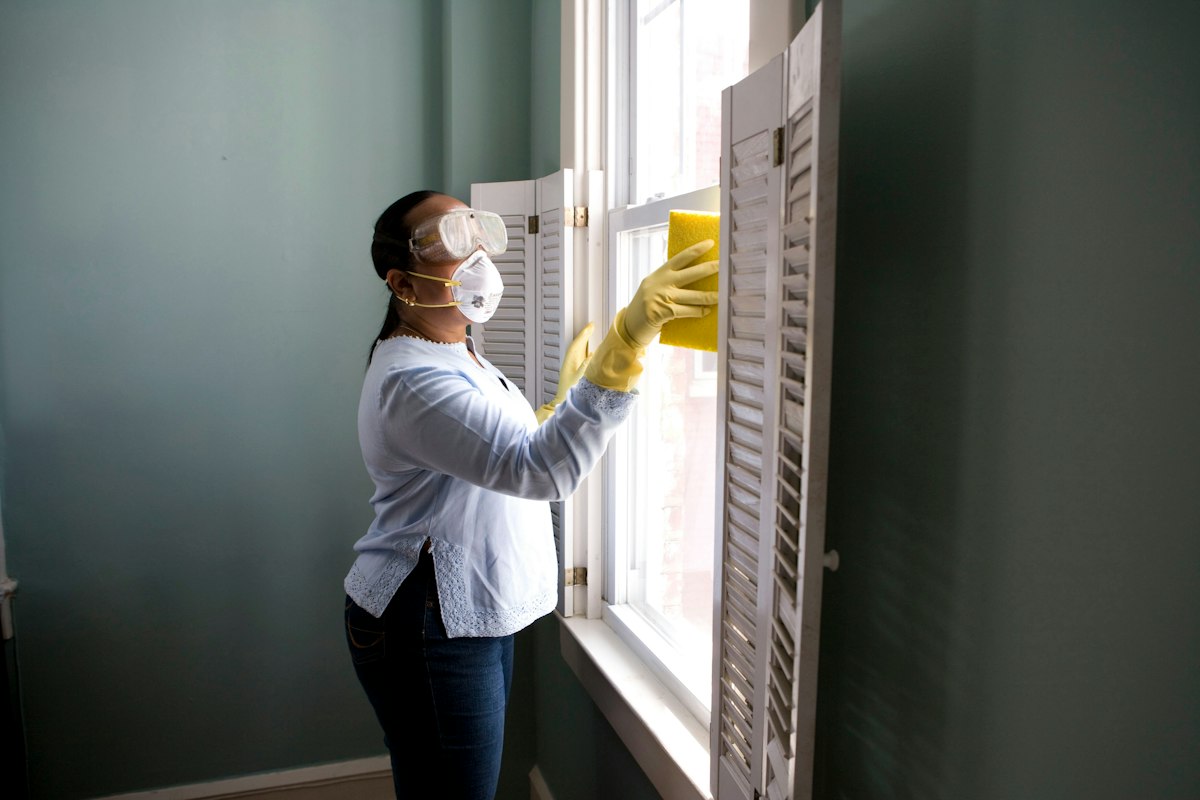
Cleaning-related deductions are the #1 most common reason landlords withhold deposits. Use this room-by-room checklist to leave no surface unchecked.
Kitchen
- Clean oven interior, including racks and door glass
- Degrease stovetop, burner grates, and range hood
- Wipe down all cabinet interiors and exteriors
- Clean refrigerator inside and out (defrost if needed); wipe down coils
- Scrub sink and garbage disposal
- Clean dishwasher interior, door, and filter
- Wipe down all countertops, backsplash, and walls
- Mop and clean baseboards
Bathroom(s)
- Scrub toilet inside and out, including base and behind
- Clean tub/shower including grout, caulk, showerhead, and curtain rod
- Wipe down vanity, mirror, and cabinet interiors
- Scrub sink and faucet hardware
- Mop floor and clean baseboards
- Remove any mildew or soap scum from tiles
Bedrooms and Living Areas
- Wipe down all walls, especially around light switches and door handles
- Clean interior and exterior of all closets
- Wipe down window sills, tracks, and blinds
- Dust and clean all ceiling fans and light fixtures
- Vacuum and/or steam clean all carpets
- Sweep and mop all hard floors
- Clean all doors, frames, and baseboards
- Remove all nails, hooks, and anchors from walls; spackle and sand
Final Walkthrough
- Take timestamped photos and video of every room after cleaning
- Check every light switch, outlet, and fixture one final time
- Confirm all windows and doors open, close, and lock
- Remove all personal belongings — including from attic, garage, and storage
- Return all keys, garage openers, and access cards
- Request a signed move-out inspection form from your landlord
“Don’t just clean the apartment — document that you cleaned it. Your photos are your receipt.”
On Move-Out Day
- Do a final walkthrough with your landlord if possible — Having them present and signing off is the strongest possible protection.
- Film the walkthrough — Even a short video with your landlord present creates a powerful record.
- Get a written move-out acknowledgment — Ask your landlord to sign a form confirming the date and condition noted.
- Provide your forwarding address in writing — Landlords must send the deposit to your new address. Some states require this in writing.
- Keep copies of everything — Your lease, all correspondence, move-in/out photos, and any receipts.
If Your Deposit Is Withheld: What to Do
If your landlord withholds part or all of your deposit without a valid reason — or misses the legal return deadline — you have options.

Step 1: Send a Demand Letter
Write a formal letter (sent via certified mail with return receipt) demanding the return of your deposit. Reference your state’s security deposit law, cite the return deadline, and attach copies of your move-in photos, cleaning receipts, and move-out documentation. Give a 10–14 day response deadline.
Step 2: File in Small Claims Court
Small claims court is designed for exactly this type of dispute. In most states, filing fees are under $100, and you do not need a lawyer. In states like California, Georgia, and Texas, landlords who wrongfully withhold deposits may owe you 2–3x the deposit amount as a penalty.
Step 3: Contact a Tenant Rights Organization
Many cities have free or low-cost tenant legal aid services. Organizations like Tenants Together, Legal Aid Society, and your state’s Attorney General’s office can advise you on local laws and next steps.
“In many states, a landlord who wrongfully withholds your deposit owes you not just the deposit — but double or triple the amount.”
Key Security Deposit Laws by State (Quick Reference)
Deposit rules vary significantly by state. Here are key figures for the most populated states. Always verify with your state’s current statutes or a local tenant rights organization.
| State | Return Deadline | Max Deposit | Penalty for Wrongful Withholding |
|---|---|---|---|
| California | 21 days | 1 month’s rent (unfurnished) | 2x deposit + actual damages |
| New York | 14 days (NYC), varies elsewhere | 1 month’s rent | Double the deposit withheld |
| Texas | 30 days | No limit | 3x deposit + $100 + attorney fees |
| Florida | 15-60 days | No limit | Full deposit forfeiture |
| Illinois | 30-45 days | No limit | 2x deposit + attorney fees |
| Georgia | 30 days | No limit | 3x deposit damages |
| Washington | 21 days | No limit | 2x deposit + costs |
Pro Tips: The 5 Things That Actually Win Deposits Back
- Document everything on day one. Photos and a signed move-in inspection are worth more than any argument at the end. Make them detailed, timestamped, and backed up to the cloud.
- Keep every communication in writing. Texts and emails create a timeline that protects you. If something is discussed verbally, follow up in writing.
- Know your state’s return deadline. If your landlord misses it, you may automatically win — regardless of the unit’s condition.
- Request a pre-move-out inspection. This one step gives you the chance to fix issues before they cost you money. It’s offered in many states by law — always ask for it.
- Send a certified demand letter before going to court. It demonstrates seriousness, often resolves disputes without litigation, and is required before filing in some jurisdictions.
Frequently Asked Questions
How long does a landlord have to return my security deposit?
It depends on your state. Deadlines range from 14 days (New York City) to 45 days (Arkansas). Most states require return within 21-30 days after you vacate. Check your specific state law — missing this deadline often automatically entitles you to the full deposit plus penalties.
Can my landlord charge me for painting?
Generally, no — if you lived there for a year or more and the paint is simply worn or scuffed from normal use. Landlords are expected to repaint between tenants as standard maintenance. However, if you painted walls an unauthorized color or caused significant damage, deductions may be valid.
What if I didn’t get a move-in inspection form?
Document the apartment yourself immediately after moving in — photos, video, and a written list of all pre-existing damage. Email this to your landlord right away. In many states, if a landlord fails to provide a required move-in checklist, they may be legally barred from making any deductions at all.
Can my landlord keep my deposit for normal wear and tear?
No. This is illegal in all 50 states. Normal wear and tear — minor scuffs, small nail holes, faded paint — is the landlord’s responsibility to restore between tenants. If a landlord deducts for these items, you have strong grounds for a dispute.
Is it worth taking my landlord to small claims court over a deposit?
Often, yes. Small claims court is accessible, low-cost, and doesn’t require a lawyer. In states with double or triple damages laws, you could recover significantly more than your original deposit. With good documentation, tenants frequently win these cases.
Bottom Line: Your Deposit Is Yours to Keep
Security deposits feel like a test you can fail — but they’re actually a system you can master. With the right documentation, consistent upkeep, and knowledge of your rights, you can go into every move-out with confidence.
Use this checklist. Take the photos. Send the emails. Know your deadlines. And if your landlord still doesn’t play fair, know that the law is often on your side.
“The best defense against losing your security deposit is a paper trail that begins before you unpack your first box.”
Share this checklist with a friend who’s moving, bookmark it for your next lease, and save your move-in photos somewhere you’ll never lose them.
Disclaimer: This article is for informational purposes only and does not constitute legal advice. Security deposit laws vary by state and municipality. Consult a licensed attorney or local tenant rights organization for guidance specific to your situation. Citations: Apartment List Renter Confidence Survey 2022; National Multifamily Housing Council 2023; Tenants Together 2023; NOLO State-by-State Security Deposit Laws.