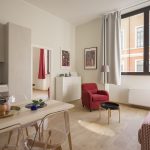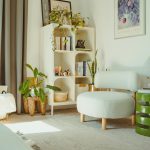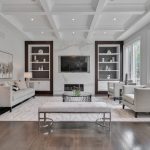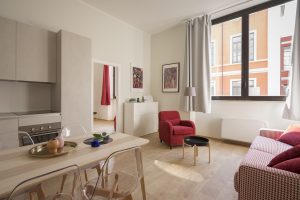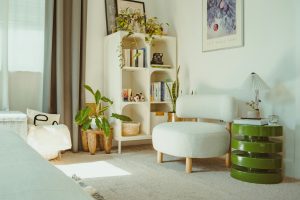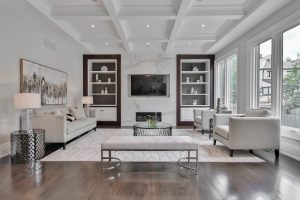


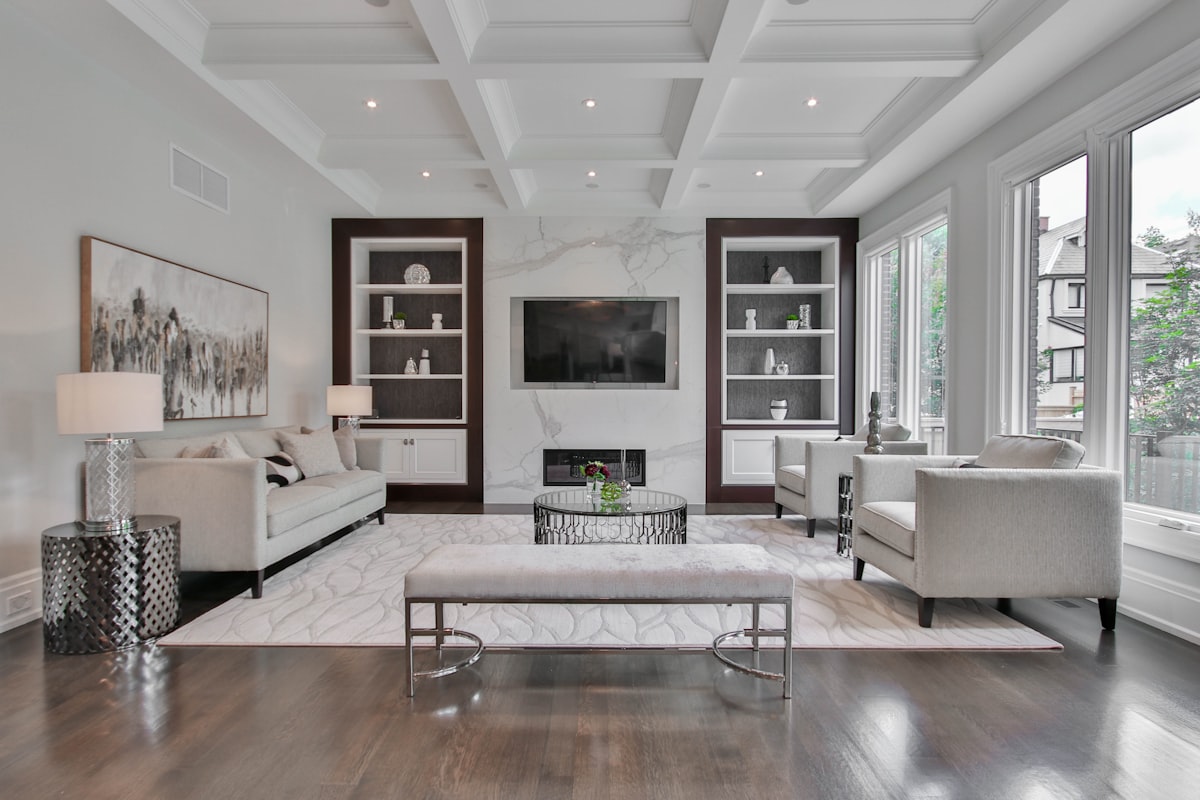
You sign a lease, not a lifetime sentence. Yet millions of renters live surrounded by white walls and generic furniture, convinced they can’t make a space their own. The truth? Some of the world’s top interior designers say renting is actually a creative challenge — and they have a playbook for turning any landlord-approved apartment into a home that looks like it belongs in a magazine.
“A rental is not a prison. It is a blank canvas with very specific rules — and great designers know how to color inside the lines beautifully.”
— Design principle echoed across top interior design studios
In the U.S. alone, 44.1 million households rent their homes — roughly 35% of all housing units, according to the U.S. Census Bureau (2023). Yet the Apartment List 2023 Renter Satisfaction Report found that only 41% of renters feel their home truly reflects their personality. That gap is a design problem with very solvable solutions.
Below, we break down exactly how top interior designers approach rental decorating — from the first walkthrough to the final styling touch — with actionable strategies you can use today.
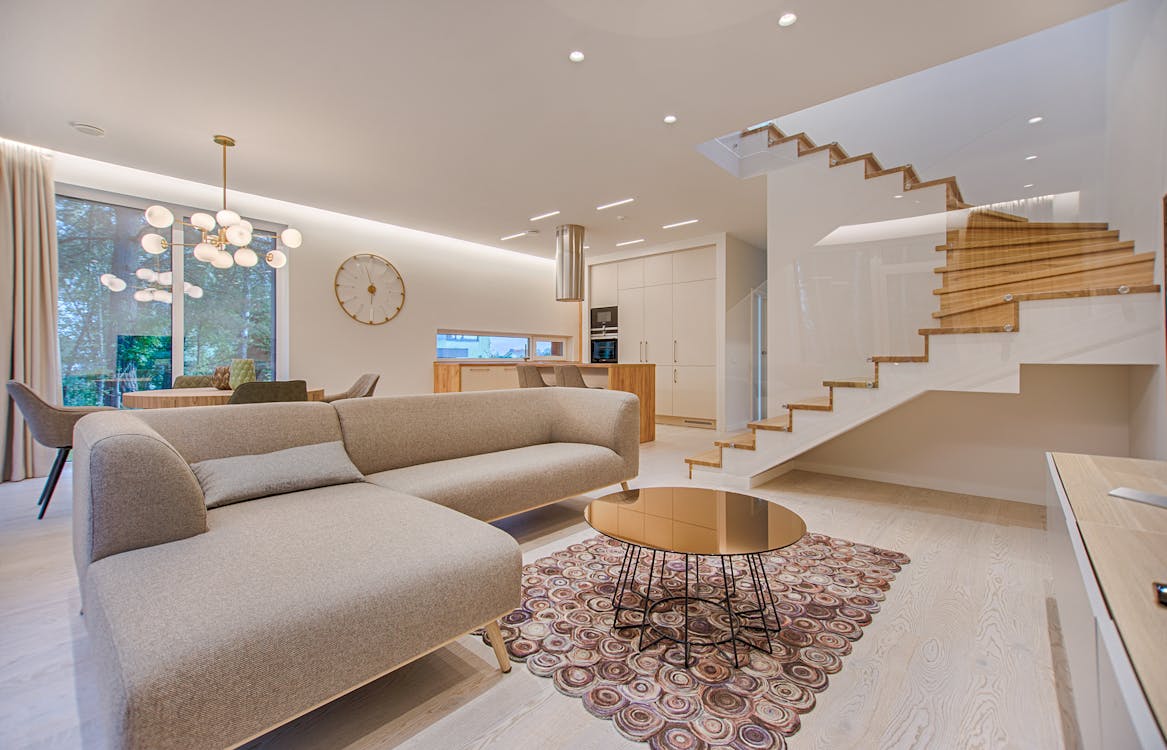
1. Start With What You Can’t Change — Then Design Around It
The first move every top designer makes isn’t buying anything — it’s a careful audit. They walk the space and catalog the fixed elements: floor color, ceiling height, window placement, radiators, light fixtures, and kitchen cabinets. These become the anchor points for every decision that follows.
“You treat the existing bones as a client brief,” explains a philosophy shared by leading residential designers. “Your job is to respond to what’s there, not fight it.” Beige carpet? Lean into warm earthy tones throughout. Low ceilings? Use low-profile furniture and vertical stripes to draw the eye upward. Dark walls you cannot repaint? Layer in mirrors, warm lighting, and light-toned textiles.
“The space tells you what it needs. Stop arguing with it and start listening.”
— Common mantra in professional rental design consultations
Designer audit checklist for a new rental:
- Note all fixed colors (floors, tiles, countertops, cabinets)
- Measure every room and doorway — furniture must fit before purchase
- Identify natural light sources and the direction they face
- Photograph every outlet, switch, and awkward architectural detail
- Test all existing light fixtures — and plan alternatives for poor ones
2. The Layered Rug Strategy: Instantly Transform Any Floor
If there is one universal secret weapon in the rental decorator’s toolkit, it is the area rug. Ugly carpet, scratched hardwood, cold tile — a well-chosen rug covers it all while simultaneously defining zones, adding warmth, and anchoring furniture arrangements.
Top designers don’t just throw down one rug — they layer them. A large, neutral flatweave goes down first as a base, then a smaller, more textured or patterned piece sits on top. The technique adds depth and luxury that single-rug setups simply cannot match.
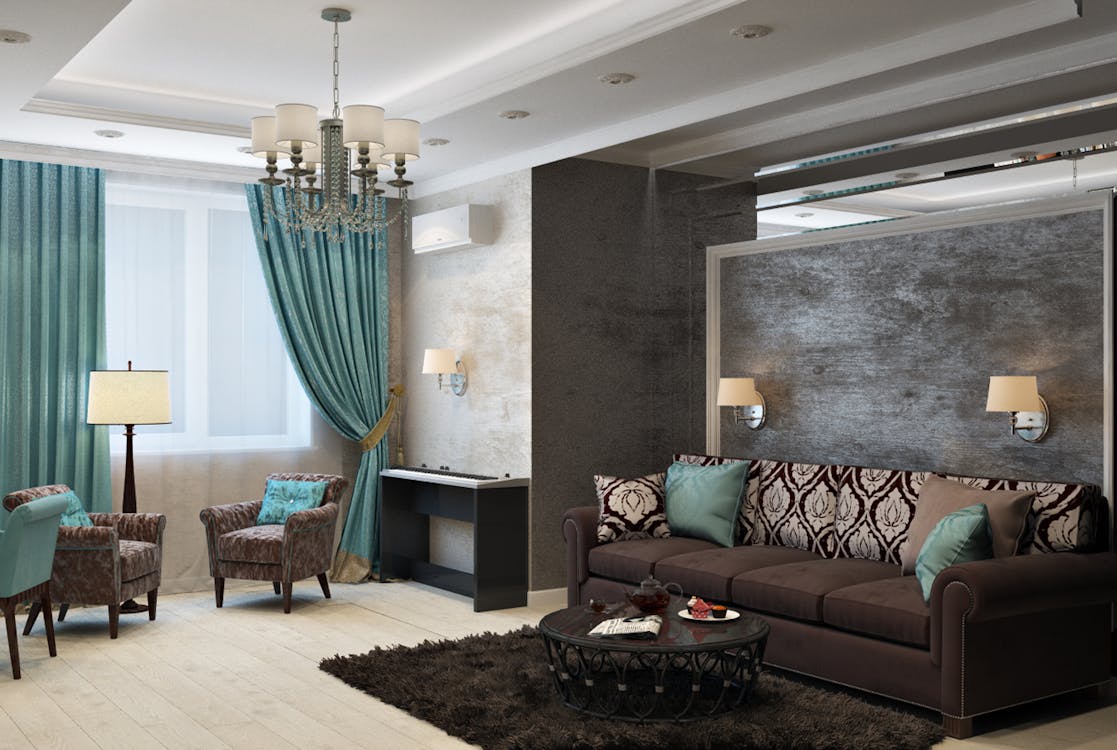
According to a Houzz Renovation Trends Study, textiles (including rugs) are the #1 category renters invest in for home styling — outpacing furniture, lighting, and artwork. The average renter spends $320–$650 on a statement rug, and designers consistently say it is the highest-ROI purchase in a rental.
“A great rug is the foundation of a room. Get that right and everything else falls into place.”
— Principle from leading residential interior design studios worldwide
The Designer Rug Rule: Size Matters More Than Pattern
The most common rug mistake designers see? Too small. In a living room, the front legs of all major seating pieces should rest on the rug — or the rug should be large enough to fit all furniture fully within its borders. Under-scaled rugs make rooms feel smaller and disconnected.
3. Lighting Is the Most Underrated Rental Upgrade
Here is a statistic that should stop every renter in their tracks: 90% of the “ambiance” in high-end interior design photography is created by lighting, not by furniture. Yet most renters rely entirely on overhead lighting provided by their landlord — typically a single, harsh overhead fixture that would make any space look institutional.
Top designers immediately supplement or replace the lighting experience in every rental they work on. The overhead fixture stays (you cannot remove it), but it often gets turned off entirely in favor of a curated layered lighting plan using:
- Floor lamps — positioned in corners to bounce light off walls and create warmth
- Table lamps — always in pairs for symmetry; placed at eye level when seated
- Plug-in pendant lights — a game-changer for rental kitchens and bedside areas
- LED strip lights — tucked behind shelving, under beds, or along ceiling edges
- Candles and diffusers — because scent is the sixth sense of interior design
“Switch out your light bulbs on day one. A 2700K warm white bulb in every fixture costs less than $20 total and transforms the entire mood of your apartment.”
— Standard advice from professional residential stylists
The U.S. Department of Energy confirms that LED bulbs now account for over 47% of all residential bulb sales — and the shift to warm-white LED has quietly become one of the most accessible interior design tools available.
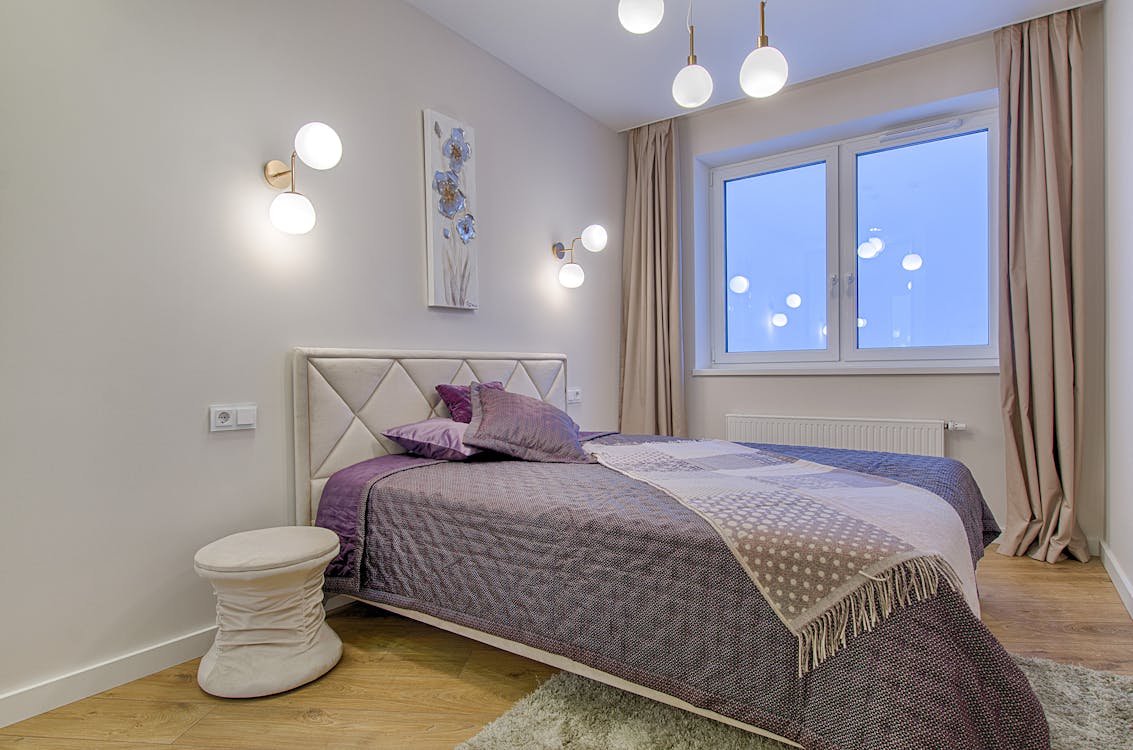
4. The Removable Revolution: Peel-and-Stick, Command Strips, and Renter-Safe Wallpaper
The interior design product category that has most transformed rental decorating over the last decade is removable adhesive everything. What was once limited to fragile paper strips is now an entire industry category worth $2.4 billion globally (Allied Market Research, 2023) — encompassing wallpaper, tiles, floor coverings, hooks, shelving hardware, and even ceiling medallions.
Top designers use removable wallpaper strategically — not to cover every wall (which would look chaotic), but to create one powerful accent moment. Popular applications include:
- The wall directly behind the bed headboard (the bedroom’s focal point)
- The interior of a built-in bookcase or IKEA BILLY unit
- A small entryway or powder room — where a bold pattern feels intentional, not overwhelming
- Kitchen backsplash tiles over existing tile (removable peel-and-stick tile panels)
“One wallpapered wall in a rental bedroom can make it look like a $500/night hotel suite. That’s a $60 transformation.”
— Design philosophy shared widely in the professional staging community
Command Strips: The Designer’s Secret Hardware
3M Command strips have become genuinely professional-grade tools. Designers now use them to hang gallery walls, mirrors up to 20 lbs, shelves, and curtain rods — all without drilling. When combined with proper planning (spacing, levels, and visual weight distribution), the results are indistinguishable from traditionally hung artwork.
5. Furniture Strategy: Invest in Pieces That Move With You
One of the clearest markers of professional rental design thinking is furniture investment strategy. Amateurs buy cheap furniture because “it’s just a rental.” Professionals buy better furniture precisely because they’ll live in multiple rentals — and quality pieces adapt to different spaces, styles, and future homes.
A Statista 2023 survey on home furnishing found that renters who invest in 3–5 high-quality anchor pieces (sofa, dining table, bed frame, storage unit, and a statement light fixture) report 68% higher satisfaction with their living space than those who furnish primarily from budget flat-pack retailers.
The designer’s furniture hierarchy for rentals:
- The sofa — budget 30% of your total furniture spend here; it defines the room
- The bed frame — an upholstered bed with a statement headboard costs less than $600 and photographs beautifully
- Storage with presence — open shelving, a credenza, or a bar cart that is also a styling moment
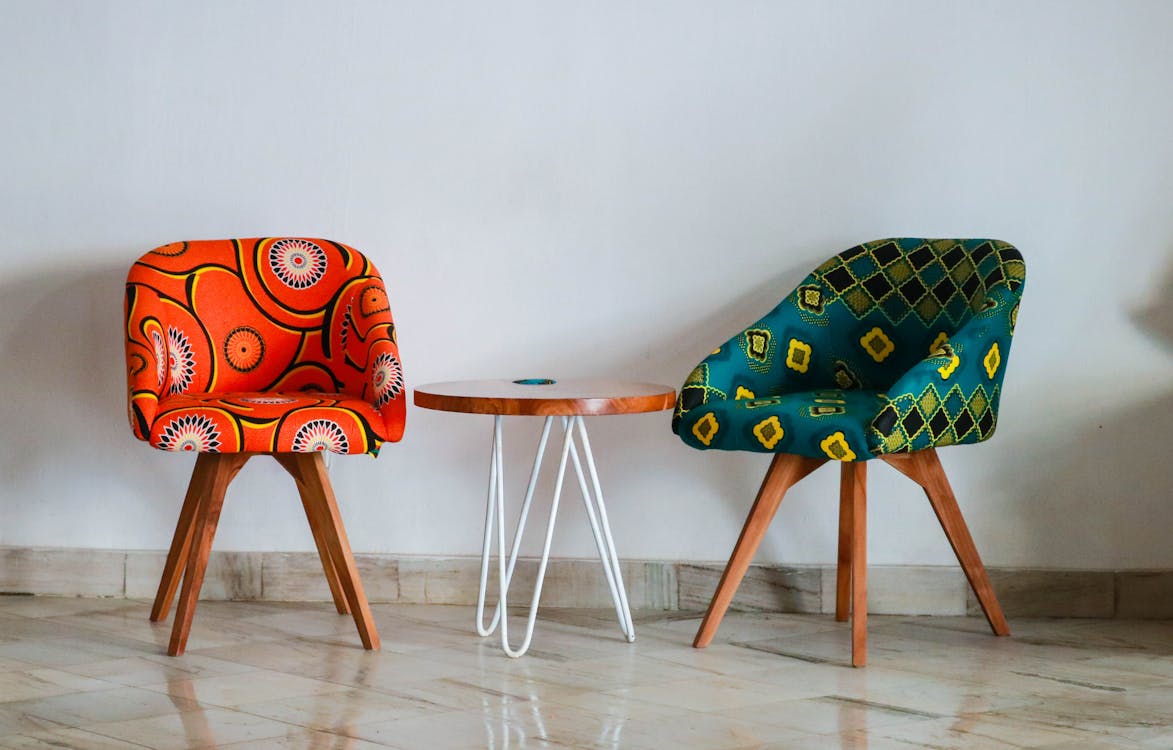
- One statement accent chair — the piece that says you made a design decision
- A dining table you love — even if it’s small, it will be in hundreds of your photos
6. The Gallery Wall: Personality at Scale
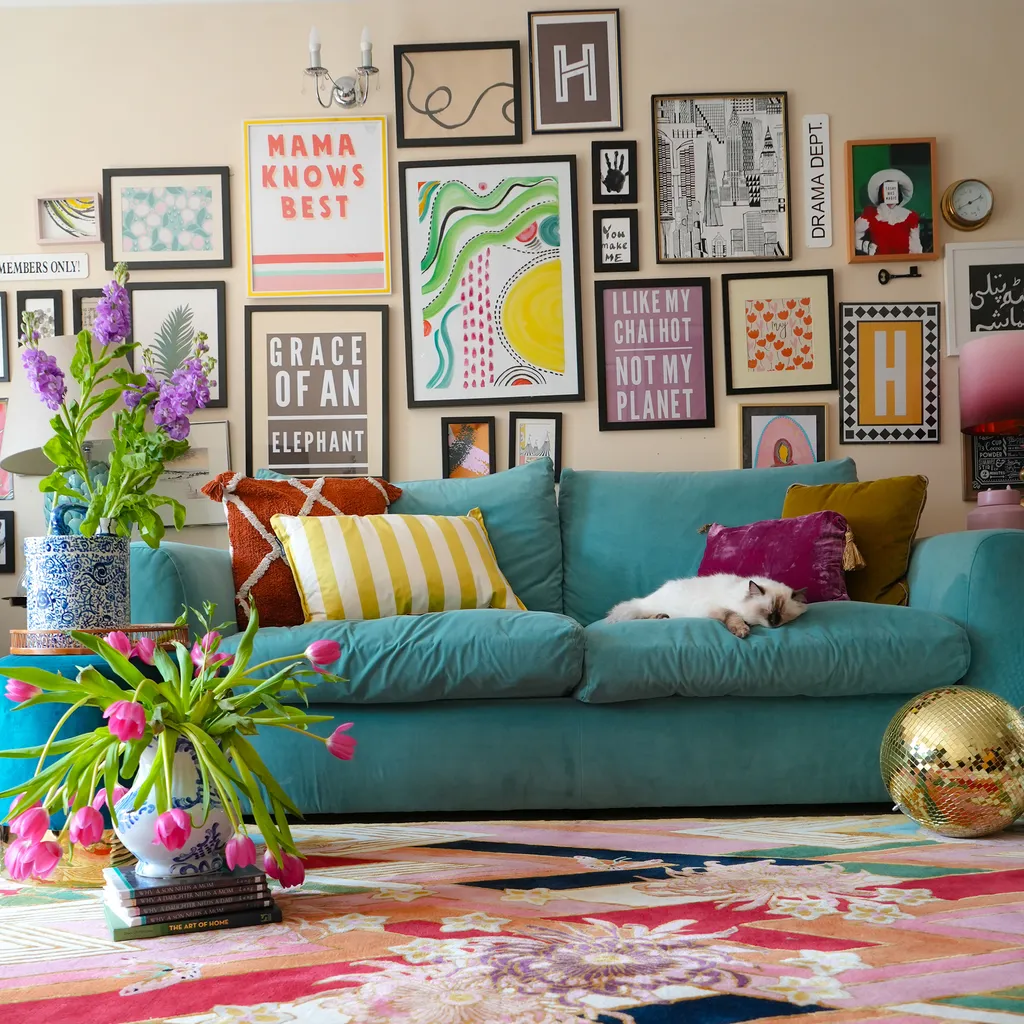
Nothing makes a rental feel more “lived in” — in the best possible way — than a thoughtfully curated gallery wall. It is the fastest way to communicate personality, taste, and intentionality in a space. And with Command strips, it is fully reversible.
The designer approach to gallery walls is notably different from the DIY Pinterest version. Professionals:
- Lay the arrangement on the floor first — photographing it before committing to the wall
- Mix frame sizes, not frame colors — unify with one metal (black, brass, white) but vary sizes dramatically
- Include non-art objects — a small shelf, a mirror, a woven piece break the flatness
- Keep 2–3 inches between frames — tight spacing looks intentional; loose spacing looks accidental
- Anchor to furniture — center the gallery over a sofa or bed, never floating in open space
“A gallery wall should tell the story of who you are. If someone walked in and looked at it for 60 seconds, they should understand your world.”
— Principle from leading interior stylists and set designers
7. Plants: The Cheapest Designer Upgrade That Also Makes You Healthier
Plants are mentioned in virtually every top designer interview about rental decorating — and for good reason. They add life, color, scale, and texture to a space in ways that no inanimate object can replicate. They are also, per square foot of visual impact, the most affordable design element available.
A landmark NASA Clean Air Study (replicated and expanded in peer-reviewed journals) found that common houseplants remove up to 87% of air toxins in 24 hours. Separately, research published in the Journal of Environmental Psychology found that indoor plants reduce psychological stress by up to 37%. The design investment pays dividends beyond aesthetics.
Designer-approved plants for rental apartments (low maintenance, high visual impact):
- Monstera deliciosa — the statement plant; can grow to room-filling scale in 12–18 months
- Fiddle leaf fig — architectural and photogenic; ideal in corners with indirect light
- Pothos / Devil’s Ivy — ideal for shelves and bathroom windowsills; nearly impossible to kill
- Snake plant (Sansevieria) — tolerates low light and irregular watering; graphic, structural silhouette
- Olive tree (small indoor) — Mediterranean elegance; works in bright corners and by south-facing windows

8. Window Treatments: The Rental Feature Most Designers Immediately Replace
After lighting, the most common thing top designers change on day one of a rental refresh is window treatments. Most rental apartments come with cheap horizontal mini-blinds — functional, but visually deadening. A simple swap can transform the entire feel of a room.
The rental-safe approach: tension rods or removable curtain rod brackets (available at any hardware store) allow you to hang floor-to-ceiling curtains without drilling. Designers always hang curtains as high and as wide as possible — ideally just below the ceiling and extending 6–12 inches beyond the window frame on each side. This makes windows appear dramatically larger and ceilings feel higher.
“Curtains hung correctly can add 30% to the perceived size of a window and make an 8-foot ceiling feel like 10. No renovation required.”
— Widely cited principle in residential staging and interior design training
Linen and linen-look curtains (sheer or semi-sheer) are the near-universal designer choice for rentals — they soften light beautifully, photograph well, work in nearly any color palette, and remain on-trend across style cycles.
9. The Bedroom Blueprint: Sanctuary Over Storage
The bedroom gets more attention from designers than any other room in a rental — and the philosophy is consistent: the bedroom must function as a sanctuary first and a storage solution second. This means visual calm, sensory comfort, and deliberate layering take priority over maximizing square footage.
A Sleep Foundation study (2022) found that bedroom environment directly affects sleep quality — with respondents reporting 23% better sleep quality after making design improvements (lighting, temperature, sound, and visual clutter reduction) to their bedroom. This is not just aesthetics; it is health.

The designer bedroom formula for rentals:
- Bedding hierarchy: fitted sheet → flat sheet → duvet → throw blanket folded at the foot → 2 sleeping pillows + 2–3 decorative pillows (odd numbers look more natural)
- Nightstand lighting: one lamp per side at approximately 24 inches above mattress height
- Mirror placement: opposite the window to double natural light, or on the wall visible from the door to draw the eye and create depth
- Scent anchoring: a diffuser or candle near the entry point of the room creates an immediate sensory signal that this is a sanctuary
- Cord management: all visible cords wrapped, hidden, or channeled — designers consider exposed cords the fastest way to undermine a well-styled room
10. The Styling Tray: One Designer Move Anyone Can Make Today
If you could take only one technique from the professional designer toolkit and apply it to your rental this afternoon, make it the styling tray. A tray — marble, wooden, woven, or lacquered — placed on a coffee table, bedside table, kitchen counter, or bathroom shelf and arranged with 3–5 intentional objects (a candle, a small plant, a book, a beautiful object, a coaster stack) instantly signals design intentionality.
It works because it creates containment and curation. The same objects scattered randomly look like clutter. Grouped on a tray, they look like a deliberate vignette. This is one of the most-taught techniques in interior styling courses worldwide.
“Give every grouping of objects a container. A tray, a bowl, a book stack, a plate — something that says ‘these things belong together.’ That’s the difference between clutter and composition.”
— Interior styling principle taught in professional design education
The Renter’s Design Budget Breakdown: What Designers Actually Prioritize
One of the most useful things a designer brings to a rental project is budget prioritization — knowing where to spend and where to save. Based on guidance from professional residential design consultants, here is how a thoughtful renter’s design budget should typically be allocated:
| Category | % of Total Budget | Why Designers Prioritize It |
|---|---|---|
| Sofa / Main Seating | 25–30% | Used daily; sets the room’s style tone |
| Lighting (lamps + bulbs) | 15–20% | Creates ambiance; highly portable |
| Rugs | 15% | Biggest visual floor impact; protects deposit |
| Bed Frame + Bedding | 15–20% | Affects sleep quality + bedroom aesthetics |
| Window Treatments | 10% | Immediate visual upgrade; transforms light quality |
| Art + Accessories | 10% | Personality + finishing layer |
| Plants + Planters | 5% | Highest ROI visual impact per dollar spent |
Frequently Asked Questions About Decorating a Rental Apartment
Can I make major changes to a rental apartment?
In most standard leases, structural changes (removing walls, permanent fixtures, repainting without permission) are not allowed without landlord approval. However, many landlords will agree to repainting if you return the walls to original color upon departure. Always ask — the worst they can say is no. Everything else in this guide requires zero landlord permission.
What are the best removable wallpaper brands for rental apartments?
Top-rated options include Tempaper, Chasing Paper, Livette’s Wallpaper, and Walls Need Love. All offer peel-and-stick application and clean removal without wall damage. Average cost is $1.50–$4 per square foot. Measure carefully — most rooms require only a single accent wall (approximately 60–120 sq ft).
How do I make my rental apartment look expensive on a budget?
The highest-impact, lowest-cost moves: (1) replace all light bulbs with 2700K warm white LEDs, (2) buy one large-scale area rug, (3) hang linen curtains as high and wide as possible, (4) add 2–3 healthy indoor plants, (5) create one gallery wall over your main seating area. Total cost: under $400. Total visual impact: dramatic.
What should I prioritize when decorating a small rental apartment?
In small spaces, designers prioritize: vertical storage (wall shelves draw the eye up and preserve floor space), multi-functional furniture (storage ottomans, sofa beds, extendable dining tables), light colors and reflective surfaces (mirrors, glass, metallic accents expand perceived space), and ruthless editing (fewer, better objects — not more stuff).
Is it worth decorating a rental apartment?
Emphatically yes. The average American renter lives in their apartment for 3.3 years (U.S. Census Bureau). That’s over 1,200 days spent in a space that could actively improve your mood, productivity, and wellbeing — or actively drain it. The ROI on thoughtful rental decoration, measured in quality of daily life, is among the highest investments you can make.
Bottom line: Top interior designers see a rental apartment not as a limitation but as a design brief with constraints — and constraints breed creativity. Armed with the right strategies, the right investments, and the right mindset, any rental can become a space that feels genuinely, personally, beautifully yours. You don’t have to own your home to love it.
Found this guide helpful? Share it with a friend who just signed a new lease — and bookmark it for your next move. Every apartment deserves a great designer’s eye, whether or not you’ve hired one.