


You’ve signed the lease. You’ve got the keys. Now what? Most guides tell you to buy a couch and call it a day. This one is different. This is the list of everything nobody warned you about — the stuff you’ll wish you’d known before day one.
According to the U.S. Census Bureau, more than 35.5 million Americans move each year — and a disproportionate share of those are first-time renters between the ages of 18 and 34. Yet most of them arrive at their new apartment missing at least a dozen essential items and unprepared for the hidden costs, paperwork, and logistics that come with it.
“Moving into your first apartment isn’t just about furniture. It’s about learning how to live entirely on your own terms — and being ready for everything that means.”
What’s in This Guide
- Before You Even Pack a Box
- Move-In Day Checklist
- Kitchen Essentials Nobody Mentions
- Bedroom Setup Priorities
- Bathroom Basics
- Living Room & Common Areas
- Paperwork & Admin Tasks
- Safety & Security
- Hidden Costs First-Time Renters Miss
- Smart Habits to Start From Day One
Before You Even Pack a Box

The 30 days before your move-in date are more important than the move itself. Most first-time renters spend it panicking about furniture — when they should be handling logistics.
Document the Apartment Before You Touch Anything
The moment you get the keys — before a single box comes in — walk every room with your phone camera rolling. Photograph every wall, every baseboard, every appliance, every scuff. A 2022 survey by Apartment List found that 42% of renters lost part or all of their security deposit, and the leading reason was disputes over pre-existing damage. Your video is your evidence.
“Photograph everything before you unpack a single box. That ten-minute video tour could save you hundreds of dollars when you move out.”
Change Your Address Everywhere
USPS mail forwarding takes up to two weeks to activate, and it doesn’t catch everything. Submit your change of address with the USPS, then manually update: your bank, your employer’s HR, the DMV, the IRS, your insurance providers, your subscriptions, and anyone you’ve ever given your address to. Missing even one can cause real problems down the line.
Set Up Utilities Before Move-In Day
This sounds obvious, but it catches nearly every first-timer off guard: utilities aren’t automatic. Electricity, gas, internet, and water (if not included in rent) need to be set up in your name before you arrive. Internet installs can take up to two weeks for an appointment. Start early.
Get Renters Insurance — Today
Only 57% of renters have renters insurance, according to the Insurance Information Institute — and most of those who skip it simply didn’t realize how affordable it is. The average renters insurance policy costs $148 per year (roughly $12/month) and covers your belongings against theft, fire, water damage, and liability. Some landlords require it. All landlords should.
Move-In Day Checklist
Move-in day is chaos. Here’s how to control it:
- ✅ Walk-through video — record every room before unloading
- ✅ Sign the move-in checklist — get a copy from your landlord; document everything
- ✅ Test every lock, window latch, and door — report problems in writing immediately
- ✅ Locate the circuit breaker — you’ll need this at 11pm when something trips
- ✅ Find the water shutoff valve — usually under the sink or near the water heater
- ✅ Check smoke and carbon monoxide detectors — test them; replace batteries if needed
- ✅ Confirm mail delivery setup — get your mailbox key and locate your box
- ✅ Meet your neighbors — a brief introduction goes a long way
- ✅ Confirm parking arrangements — know your spot, any permits needed
- ✅ Save your landlord’s emergency contact info — add it to your phone now
Kitchen Essentials Nobody Mentions

Everyone remembers plates and a pan. Almost nobody remembers the boring stuff that makes daily life actually work.
The Basics You’ll Definitely Forget
- 🔧 A can opener (manual — power goes out sometimes)
- 🔧 Dish soap, a sponge, and a drying rack
- 🔧 Kitchen scissors — used more than you’d think
- 🔧 Measuring cups and spoons
- 🔧 A cutting board (get two: one for produce, one for meat)
- 🔧 Pot holders and oven mitts — don’t improvise with a dish towel
- 🔧 A colander/strainer
- 🔧 Tupperware or food storage containers
- 🔧 Aluminum foil, plastic wrap, and parchment paper
- 🔧 A bottle opener and corkscrew
- 🔧 Trash bags (check the can size before buying)
- 🔧 A broom, dustpan, and mop
Under-Sink Essentials
- All-purpose cleaner spray
- Dish soap (get the big bottle)
- Drain snake or drain hair catcher
- Garbage bags in multiple sizes
- Spare light bulbs (check what wattage your fixtures use)
“Your first grocery run after move-in should include cleaning supplies and trash bags before it includes anything fun.”
Bedroom Setup Priorities
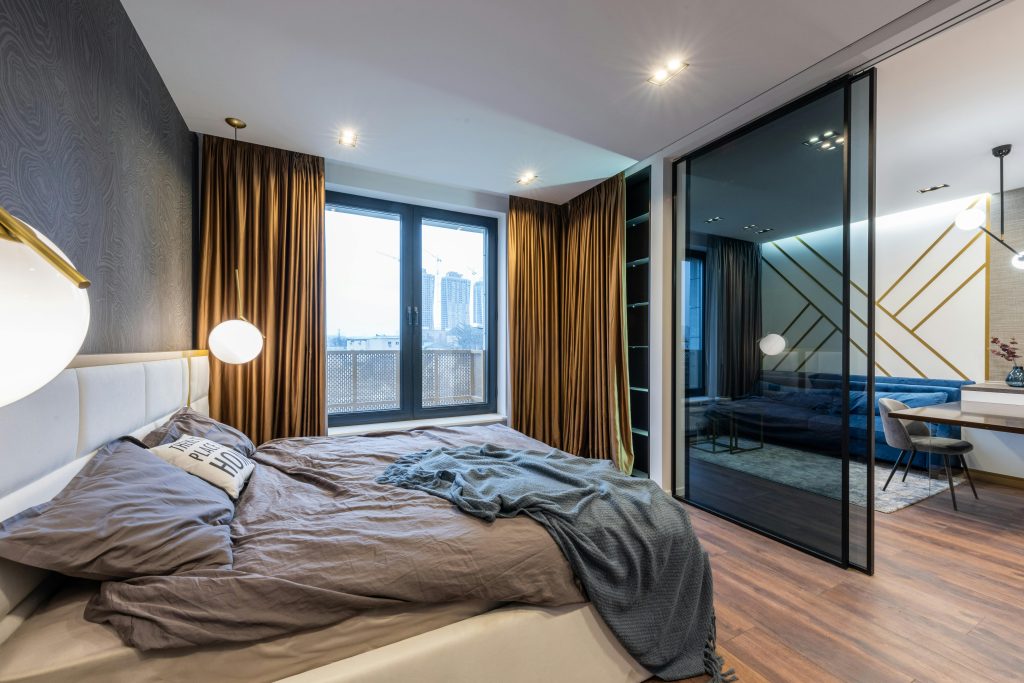
Your bedroom is the one space in your apartment that should be entirely yours. Get the foundation right and you’ll sleep better from night one.
What to Prioritize First
- 🛏️ A proper bed frame and mattress — don’t sleep on the floor “just for now.” It becomes months.
- 🛏️ Blackout curtains or blinds — landlord-installed blinds are usually inadequate
- 🛏️ Bedside table or surface — somewhere to put your phone, water, and a lamp
- 🛏️ A quality set of sheets, pillowcases, and at least one spare set
- 🛏️ A comforter or duvet appropriate for your climate
- 🛏️ Storage solutions — under-bed boxes, over-door organizers, or a dresser
The Details That Actually Matter
A reading lamp, a white noise machine (or app), and a good door lock or doorstop (especially if you have roommates) will dramatically improve your quality of life. So will a laundry hamper — don’t let clothes live on the floor.
Bathroom Basics
The bathroom is the most overlooked room in first-apartment prep. People focus on the bedroom and kitchen and show up with no shower curtain, no toilet paper, and no idea where to put their toiletries.
The Bathroom Checklist
- 🚿 Shower curtain + liner + rings (if not provided)
- 🚿 Bath mat — a wet floor is a fall waiting to happen
- 🚿 Toilet brush and plunger — buy before you need them
- 🚿 Extra toilet paper — always have backup rolls
- 🚿 Hand soap dispenser
- 🚿 Towel hooks or a towel bar (command hooks are renter-friendly)
- 🚿 Storage for toiletries — a caddy, shelf, or cabinet organizer
- 🚿 Bathroom cleaner and toilet bowl cleaner
- 🚿 First aid kit basics: bandages, antiseptic, pain reliever, thermometer
Living Room & Common Areas

Your living room doesn’t need to be Pinterest-perfect from day one. But it does need to be functional. A place to sit, adequate lighting, and somewhere to eat that isn’t the floor will cover 90% of what you need at first.
Start With These
- 🛋️ A sofa or seating option — even a loveseat or futon
- 🛋️ A floor lamp or table lamp — overhead lighting is often harsh and inadequate
- 🛋️ A small dining table or folding table
- 🛋️ A rug — anchors the space, adds warmth, protects floors
- 🛋️ Window coverings — curtains, blinds, or both
- 🛋️ A basic set of tools: hammer, screwdrivers, level, measuring tape, Allen keys
- 🛋️ Power strip or surge protector — you’ll never have enough outlets
The Renter-Friendly Decor Rule
Command strips and hooks are your best friend. They hold up to 7.5 lbs without a single nail hole and remove cleanly. Use them for art, mirrors, shelves, and cable management. 3M Command strips are the single most-cited “I wish I’d known” item in first-apartment forums.
Paperwork & Admin Tasks
Nobody wants to think about paperwork on move-in day. But leaving these undone creates real headaches within weeks.
Your Admin Checklist
- 📋 Keep a copy of your lease — digital and physical; know it
- 📋 Submit your change of address with USPS — usps.com (official site only)
- 📋 Update your driver’s license address — required by law in most states within 30 days
- 📋 Register to vote at your new address — deadlines vary by state
- 📋 Update your bank and financial accounts
- 📋 Save landlord contact info — regular and emergency lines
- 📋 Document all maintenance requests in writing — text or email creates a paper trail
- 📋 Know your lease end date — most require 30–60 days written notice to vacate
- 📋 Understand your rent payment process — portal, check, or bank transfer?
Safety & Security
Apartment security is something most first-timers think about only after something goes wrong. Don’t wait.
- 🔒 Ask if you can change the locks — or install a door reinforcement bar; many landlords allow it
- 🔒 Test smoke and CO detectors — replace batteries proactively (every 6 months)
- 🔒 Know your building’s emergency exits
- 🔒 Get a fire extinguisher — small, kitchen-appropriate ABC type
- 🔒 Don’t prop building doors — and notice when others do
- 🔒 Meet your neighbors — people who know each other look out for each other
- 🔒 Use a door alarm — inexpensive wireless door/window alarms add a layer of awareness
“The smoke detector you test on day one might save your life. The neighbor you introduce yourself to might save your sanity.”
Hidden Costs First-Time Renters Miss
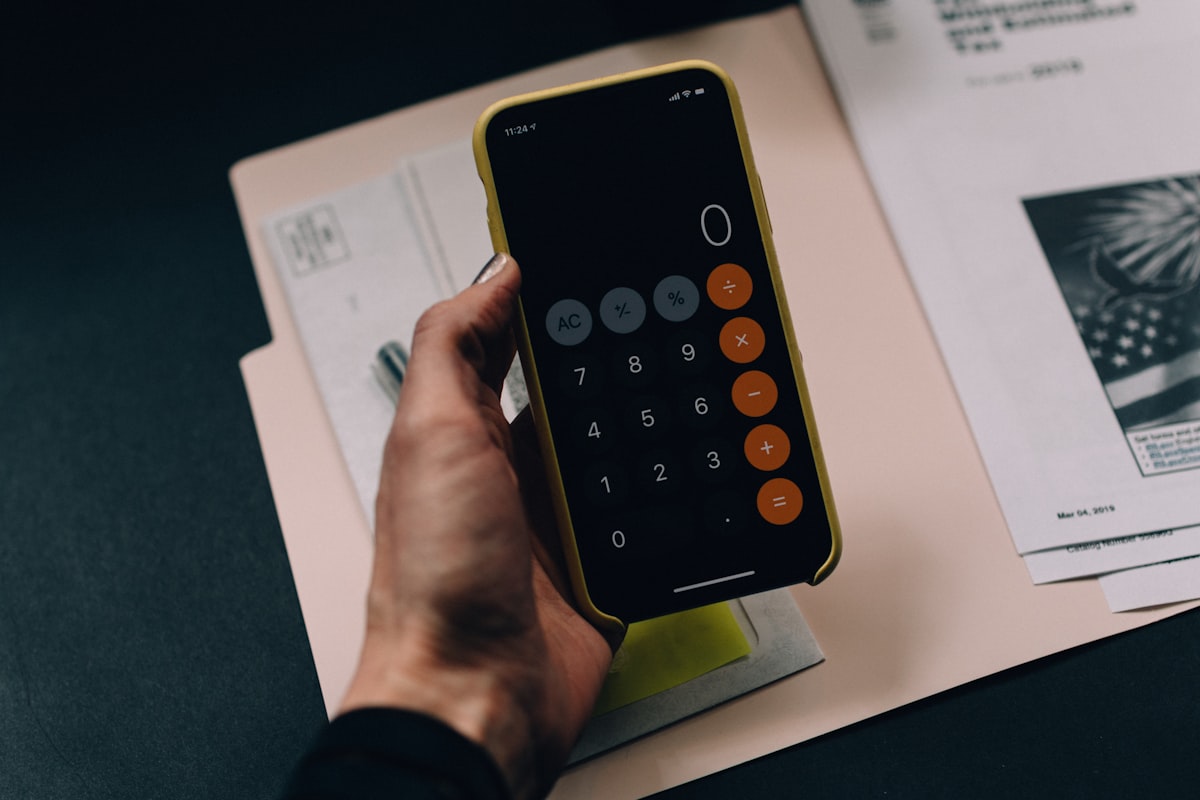
The rent is just the beginning. A 2023 Zillow report found that first-time renters typically underestimate first-year apartment costs by 22–35%. Here’s what they’re missing:
| Hidden Cost | Average Amount | Notes |
|---|---|---|
| Security deposit | 1–2 months’ rent | Often due before move-in |
| First + last month’s rent | Varies | Many landlords require both upfront |
| Renters insurance | ~$148/year | Often required; always worth it |
| Utility setup fees | $25–$200 | Deposits for electricity, gas, internet |
| Internet installation | $0–$150 | Varies by provider and building |
| Laundry costs | $30–$60/month | If using laundromat or coin-op |
| Parking | $50–$300/month | Urban areas especially |
| Moving supplies | $100–$400 | Boxes, tape, truck rental |
| Furniture & essentials | $1,000–$3,500 | First-time setup cost |
| Cleaning supplies | $75–$150 | Often forgotten entirely |
Build a “first apartment fund” that is separate from your emergency fund. Financial advisors recommend having 3–4 months of rent saved before signing a lease — not just for deposits, but for the inevitable unexpected costs of that first year.
Smart Habits to Start From Day One
These aren’t rules. They’re the practices that will make your first apartment a genuinely good experience rather than a chaotic one.
- ✨ Clean as you go — a 10-minute daily tidy beats a 3-hour weekend overhaul
- ✨ Report maintenance issues in writing immediately — never verbally only
- ✨ Build a “home” folder — digital or physical — with your lease, receipts, utility bills, and move-in photos
- ✨ Set up autopay for rent and utilities — late fees are preventable and painful
- ✨ Cook at home at least 4x per week — one of the biggest financial levers you have
- ✨ Get to know your building’s rules — noise hours, guest policies, package delivery
- ✨ Keep a small toolkit accessible — not packed away
- ✨ Don’t over-furnish immediately — live in the space for a month before buying big pieces
- ✨ Create a “home maintenance” calendar — HVAC filters, smoke detector batteries, drain cleaning
The Stats That Put It All in Perspective
Here’s a quick look at the data behind first-apartment realities in 2024:
- 📊 The average age of a first-time renter in the U.S. is 24.6 years old (U.S. Census Bureau, 2023)
- 📊 42% of renters lose part or all of their security deposit (Apartment List, 2022)
- 📊 57% of renters have renters insurance — meaning 43% do not (Insurance Information Institute, 2023)
- 📊 Average renters insurance cost: $148/year (NerdWallet, 2024)
- 📊 35.5 million Americans move annually (U.S. Census Bureau)
- 📊 First-year apartment costs are underestimated by 22–35% on average (Zillow, 2023)
- 📊 The average American renter spends 30% or more of income on housing (Harvard Joint Center for Housing Studies, 2023)
Frequently Asked Questions
What should I buy first when moving into my first apartment?
Start with the essentials: a bed (or at minimum a mattress on the floor), bedding, towels, toilet paper, a few basic cooking tools, cleaning supplies, and shower essentials. Get functional before you get decorative.
How much money should I save before moving into my first apartment?
Financial advisors typically recommend having 3–4 months of rent saved before signing a lease. This covers your security deposit, first (and sometimes last) month’s rent, moving costs, and the initial setup costs that catch most first-timers off guard.
Do I need renters insurance for my first apartment?
Yes. Many landlords require it. Even when they don’t, it’s one of the best-value financial decisions you can make as a renter. At roughly $12/month, it covers your belongings against theft, fire, and water damage — and protects you from liability if someone is injured in your home.
What documents should I keep after signing my lease?
Keep your lease agreement, your move-in checklist and photos, all correspondence with your landlord, utility setup confirmations, and renters insurance policy. Store digital copies in a cloud folder you can access anywhere.
How do I avoid losing my security deposit?
Document all pre-existing damage with photos and video on move-in day. Report maintenance issues in writing. Keep the apartment clean. Give proper written notice when moving out. Return keys on time. Get a written receipt for your deposit return.
The Bottom Line
Moving into your first apartment is one of the most genuinely exciting things you’ll do. It is also, in the first few weeks, one of the most logistically intense. The people who thrive are the ones who prepared — not perfectly, but thoughtfully.
Use this guide. Screenshot the checklists. Share it with friends who are about to make the same move. And remember: you don’t need everything on day one. You just need enough to sleep, eat, and feel at home.
“Your first apartment doesn’t have to be perfect. It just has to be yours.”
Sources: U.S. Census Bureau (2023), Apartment List Renter Survey (2022), Insurance Information Institute (2023), NerdWallet Renters Insurance Report (2024), Zillow Renter Cost Study (2023), Harvard Joint Center for Housing Studies (2023).