

You found the perfect rental — good natural light, a decent layout, and a landlord who seems reasonable. The only problem? The walls are beige. The carpets are beige. Everything is relentlessly beige. The good news: you don’t have to live in a beige box. The better news: you don’t have to risk your deposit to fix it.
This guide covers everything you need to know to transform your rental apartment into a space that feels genuinely yours — without drilling unnecessary holes, painting walls the wrong color, or leaving behind damage that could cost you hundreds of dollars when you move out.
Why Your Security Deposit Is Worth Protecting
Before diving into the fun stuff, let’s put the stakes in perspective. According to a 2023 survey by Apartment List, nearly 1 in 4 renters (23%) lose part or all of their security deposit when moving out — with interior damage being the leading reason cited by landlords. The average security deposit in the US is equivalent to one to two months’ rent, meaning in a city like New York or San Francisco, you could be risking $3,000 to $6,000 or more.
“The goal isn’t to live like a guest in your own home. It’s to decorate like an owner and leave like a tenant.”
The strategies below are renter-tested and landlord-friendly. Follow them and you can have a beautiful home and your full deposit back.
Step 1: Know Your Lease Before You Hang a Single Thing
Before buying a single piece of décor, read your lease carefully. Most standard rental agreements explicitly outline what tenants can and cannot do. Common restrictions include painting walls, drilling into tile, installing permanent fixtures, and making structural changes. Some leases are surprisingly permissive — others are not. When in doubt, ask your landlord in writing. A quick email can save you a massive headache (and a financial loss) later.
Key questions to answer before decorating:
- Can I repaint walls if I return them to the original color before moving out?
- Are removable wallpaper or wall decals permitted?
- What counts as “normal wear and tear” vs. damage?
- Is there a list of approved modifications I can make?
Step 2: Transform Your Walls Without Touching the Paint
Walls are the single biggest visual opportunity in any room. The challenge for renters is that paint — the classic fix — is often off-limits or requires landlord approval. Here’s how to work around that limitation creatively and effectively.
Removable Wallpaper and Peel-and-Stick Tiles
The removable wallpaper market has exploded in recent years. Brands like Chasing Paper, Tempaper, and Lick offer hundreds of patterns and textures — from bold maximalist prints to subtle linen-look neutrals — all designed to come off cleanly without damaging the underlying paint. When applied correctly to a clean, smooth wall, quality peel-and-stick wallpaper leaves zero residue.
Pro tip: Always test a small section in an inconspicuous spot first. Walls with low-quality or flat paint may require extra care during removal.
Gallery Walls with Command Strips
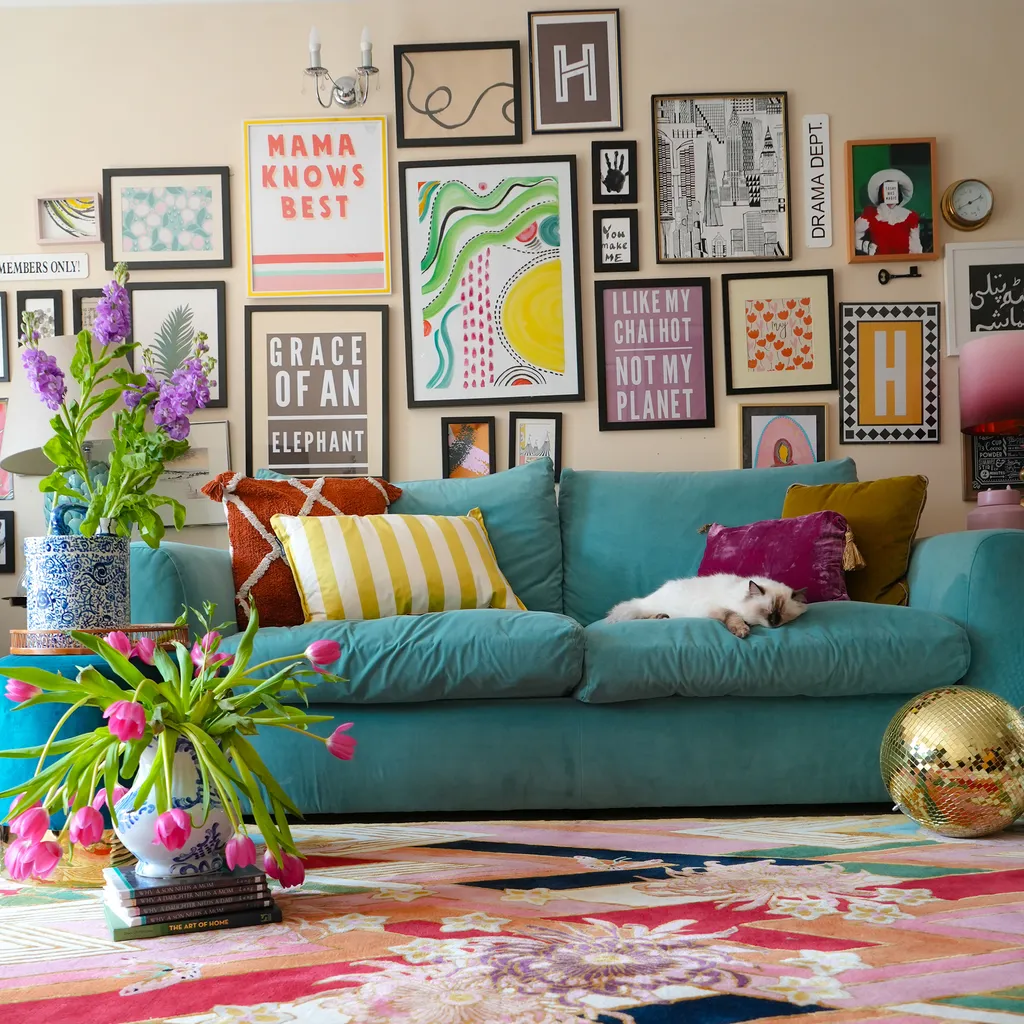
3M Command Strips are a renter’s best friend. The brand’s own data suggests their strips hold up to 16 pounds per pair when applied correctly — more than enough for most framed art. A gallery wall using Command strips can look identical to one hung with nails, with zero wall damage. The key is following the application instructions precisely: clean the wall surface with isopropyl alcohol first, press firmly for 30 seconds, and wait the recommended time before hanging anything.
“Command strips aren’t a compromise — used correctly, they’re a smarter solution than nails for most renters.”
Leaning Art and Statement Mirrors
One of the most underrated renter tricks is simply leaning artwork and mirrors against the wall rather than hanging them. A large leaning mirror can make a small room feel dramatically larger and adds instant style. Large canvas prints, framed posters, and even framed textile art all look intentional when leaned — and they cost you zero damage.
Step 3: Use Furniture and Rugs to Anchor Every Room
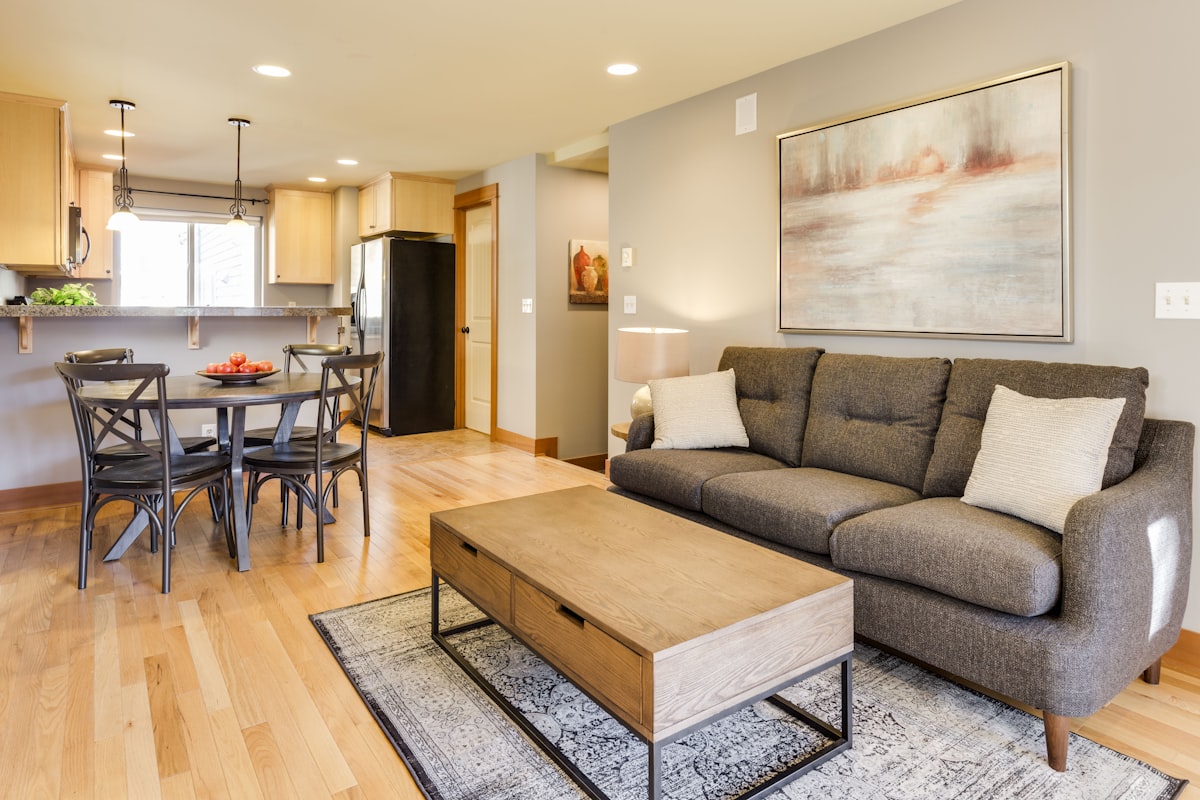
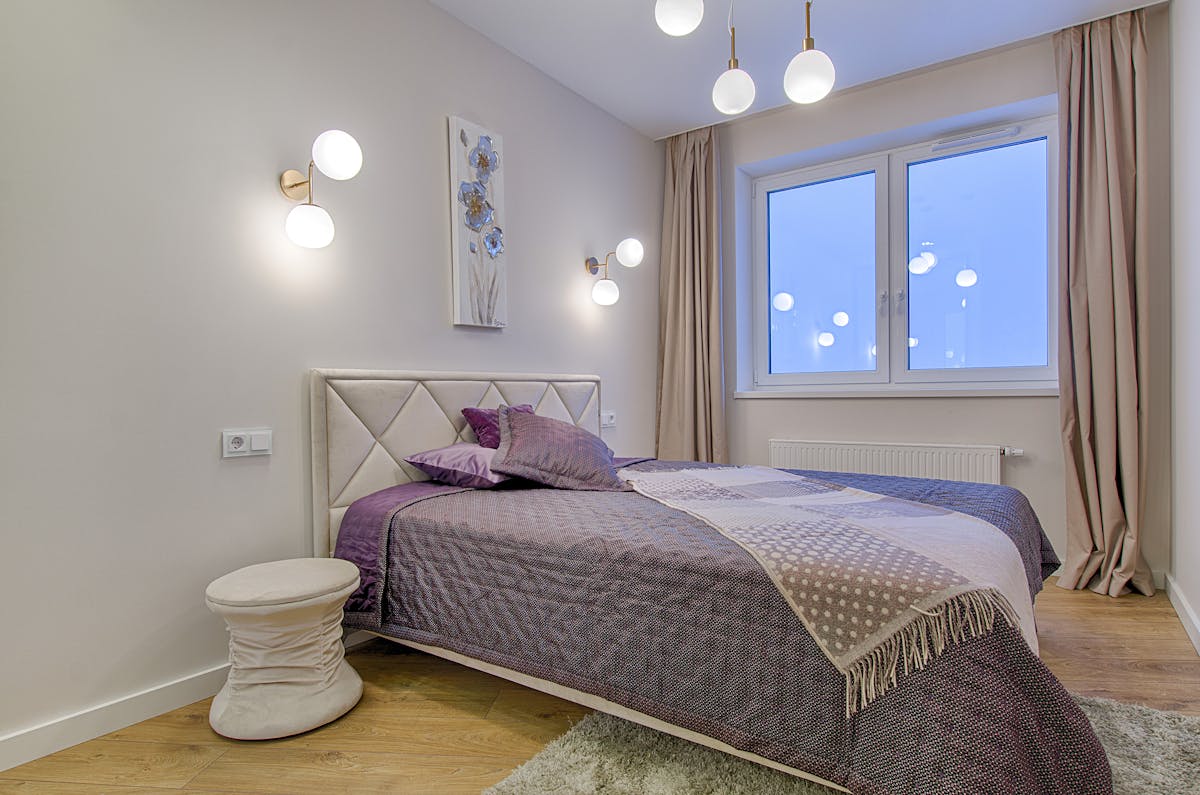
In rental decorating, furniture and rugs do the heavy lifting that paint and wallpaper do in owned homes. The right area rug can visually define a space, hide ugly flooring, add color and texture, and make a room feel cohesive — all without touching anything permanent.
The Power of the Area Rug
According to interior design research from Houzz, rugs are among the top three purchases renters make to personalize their spaces. A common mistake is buying a rug that’s too small — it ends up looking like a bathmat in the middle of the room. For a living room, go big: the front legs of your sofa and chairs should sit on the rug, not beside it. As a general rule, an 8×10 or 9×12 rug works for most living rooms.
Furniture Placement as a Design Tool
Don’t underestimate how much furniture placement affects how a room feels. Most people push furniture against walls — but floating furniture toward the center of a room (especially in a living room) creates a more intimate, intentional layout that photographs and lives much better. Experiment with angles, and consider using a room planning tool like Roomstyler or Planner 5D before moving heavy pieces.
Temporary Floor Fixes
If your rental has genuinely ugly or damaged flooring, you have options beyond area rugs. Peel-and-stick vinyl floor tiles from brands like FloorPops can be installed over existing flooring and removed without damage. They’re ideal for kitchens, bathrooms, and entryways where an area rug wouldn’t make sense. Just make sure your existing floor is clean, dry, and smooth before applying.
Step 4: Upgrade Your Lighting (Without Rewiring Anything)
Lighting is the single most transformative element of interior design, and it’s almost entirely portable. Overhead lighting in rental apartments is notoriously bad — usually a single harsh ceiling fixture that makes every room feel like a hospital waiting area. Here’s how to fix it.
Swap Out Bulbs First
This is the easiest and cheapest change you can make: swap out any cool white or daylight bulbs (5000K+) for warm white bulbs (2700K–3000K). The difference is dramatic. Warm light makes rooms feel cozy and lived-in; cool light feels sterile. Keep the original bulbs in a box so you can swap them back when you move.
Add Layers with Lamps and String Lights
The professional design principle of “layered lighting” — ambient, task, and accent — is easy to apply in a rental using portable lamps. Floor lamps provide ambient fill light, table lamps create cozy pools of warm light, and string lights or LED strip lights add accent lighting behind shelves or along headboards. Aim for at least three light sources per room at different heights.
“Good lighting isn’t a luxury — it’s the foundation that makes every other design decision work better.”
Plug-In Pendant and Sconce Lights
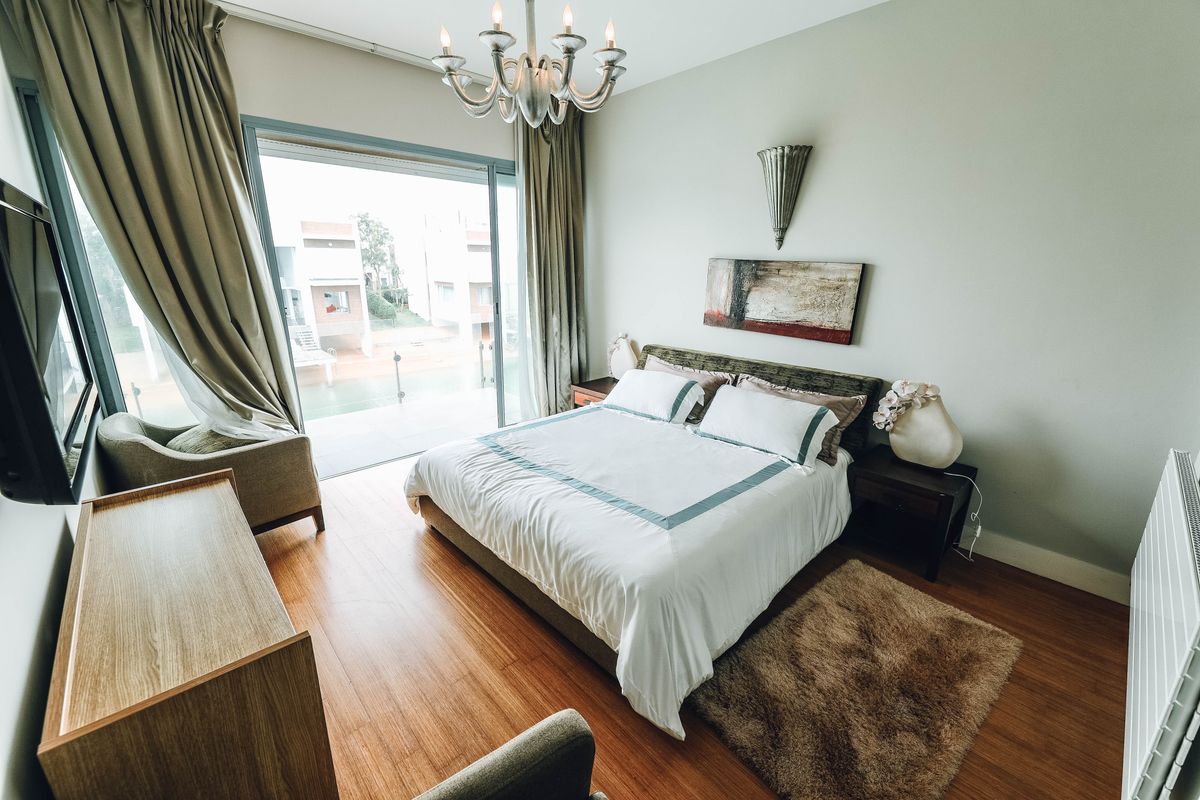
A growing category of renter-friendly lighting uses plug-in pendant lights and plug-in wall sconces. These look like hardwired fixtures but simply plug into a standard outlet, with the cord managed using adhesive cord clips. They can instantly elevate a bedroom or living room without any electrical work.
Step 5: Add Life with Plants and Layer with Textiles
Two of the fastest, cheapest, and most effective ways to make a rental feel like home require zero landlord permission: plants and textiles.
The Case for Houseplants
A study published in Frontiers in Psychology found that houseplants significantly reduce psychological stress and increase feelings of comfort and belonging in indoor spaces. Beyond the science, plants add color, texture, life, and clean air to any room — and they travel with you when you move. Low-maintenance options for renters include pothos, snake plants, ZZ plants, and peace lilies, all of which thrive in lower-light conditions common in apartments.
Layer Your Textiles
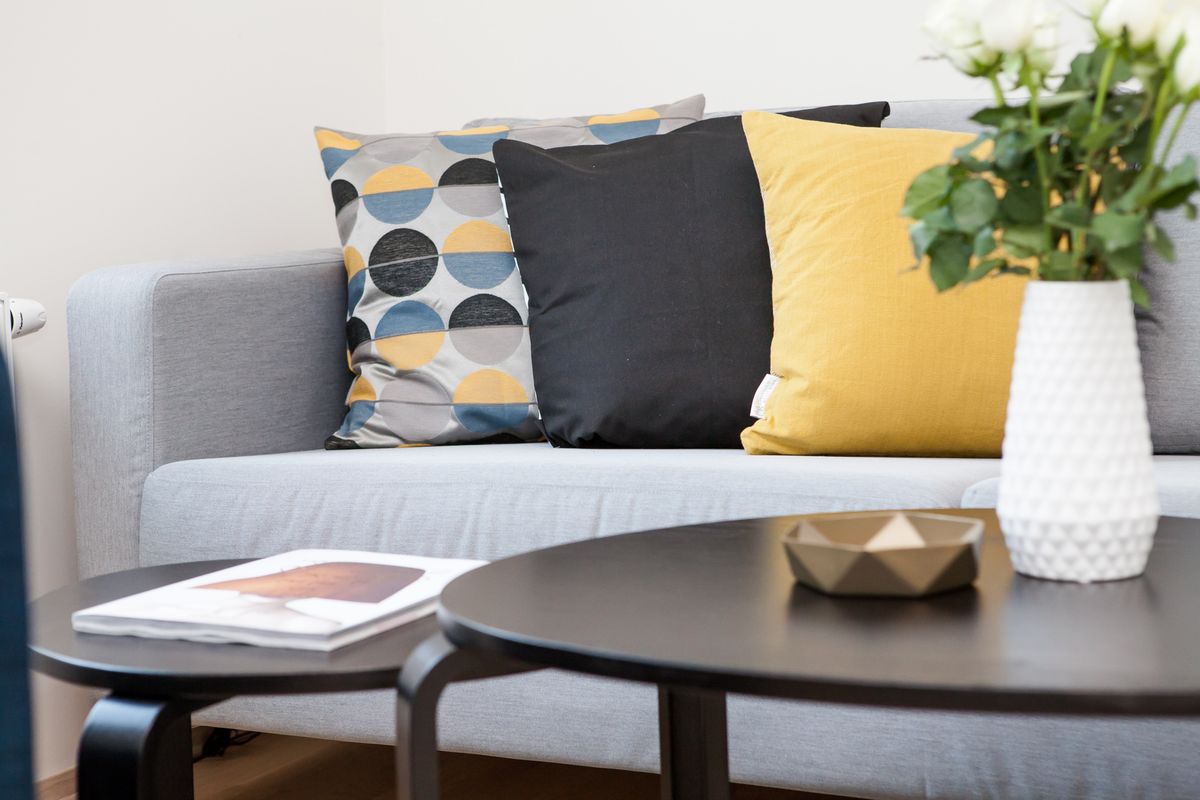
Throw pillows, blankets, curtains, and bedding are the fastest way to inject personality into a room. Custom curtains are one of the highest-impact, lowest-cost upgrades a renter can make — they can make ceiling heights feel taller (hang the rod as high as possible, close to the ceiling) and windows feel grander than they actually are. Use tension rods or Command hooks to hang curtains without drilling.
In the bedroom especially, layering a duvet with a throw blanket and three to five decorative pillows creates a hotel-like look that photographs beautifully and makes the room feel deliberately designed rather than hastily assembled.
Step 6: Tackle the Kitchen and Bathroom
Kitchens and bathrooms are the hardest rooms to personalize in a rental — and the ones where landlords look most closely for damage. Here’s how to improve both without crossing any lines.
Kitchen Updates That Won’t Cost Your Deposit
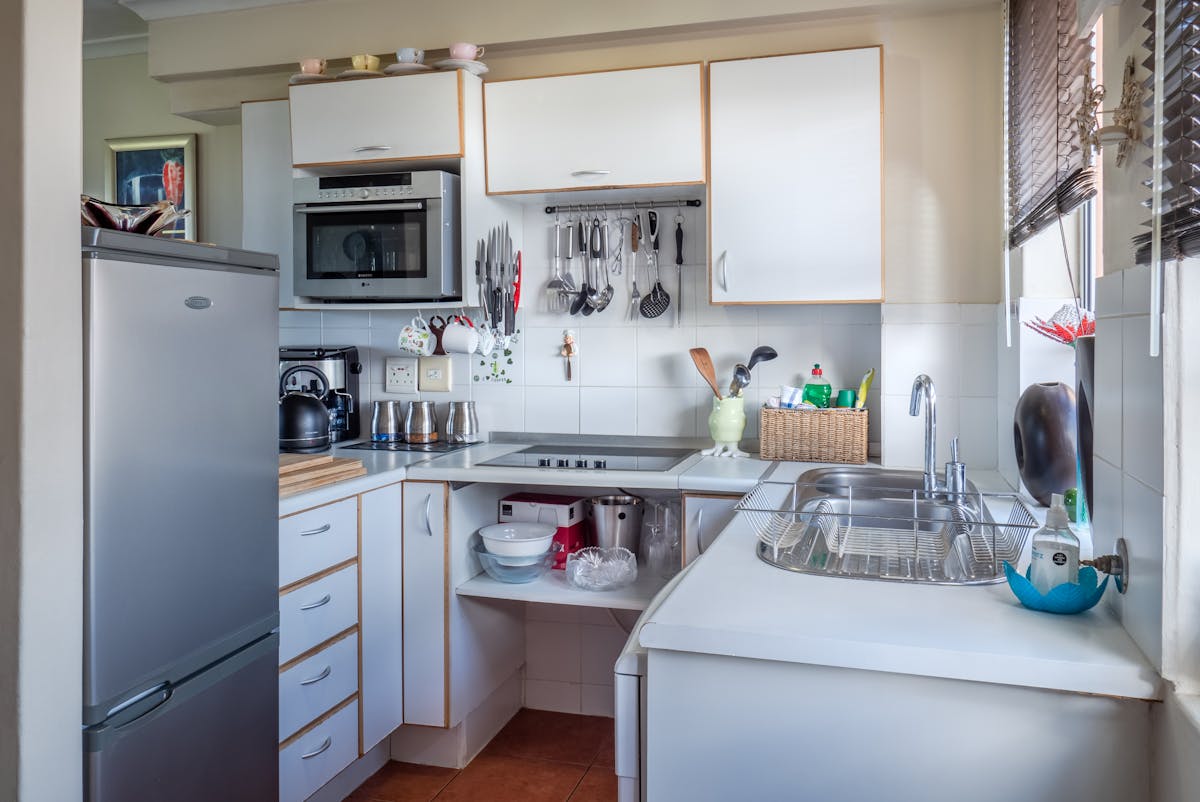
Contact paper is a transformational tool for rental kitchens. Applied to cabinet fronts, countertops, or the inside of shelving, it can mimic the look of marble, granite, wood, or tile. Modern contact paper is designed to come off cleanly from most smooth surfaces. Pair it with removable backsplash tiles (SmartTiles is a popular brand) to completely transform the look of the cooking area.
Other reversible kitchen upgrades include replacing cabinet hardware (save the originals in a bag and reinstall before moving out), adding an open shelving unit, and using a rolling kitchen island for extra storage and counter space.
Bathroom Upgrades
In the bathroom, focus on accessories: a new shower curtain with colorful hooks, a woven bath mat, bamboo shelving over the toilet, and a framed mirror leaned against the counter can collectively make a builder-grade bathroom feel curated and comfortable. Use suction cup shelves and tension pole shower caddies to add storage without drilling into tile.
Step 7: Document Everything and Plan Your Exit
Even if you do everything right, disputes over security deposits can still happen. Your best protection is documentation. On move-in day, photograph every room, every wall, every scuff and scratch — before you unpack a single box. Send the photos to your landlord in writing so there’s a timestamped record. Do the same on move-out day.
According to Nolo’s 2024 Landlord-Tenant Law Guide, the most common reasons landlords wrongfully withhold deposits are pre-existing damage that wasn’t documented and “normal wear and tear” misclassified as damage. Normal wear and tear — small nail holes, minor scuffs, carpet wear from regular use — is legally the landlord’s responsibility in most US states. Knowing the law in your state is powerful.
“Document everything on day one. Your future self — the one who wants their deposit back — will thank you.”
Your Pre-Move-Out Checklist
- Remove all removable wallpaper, tiles, and contact paper carefully and slowly, using a hair dryer to gently warm the adhesive if needed.
- Remove all Command strips and hooks following the package instructions (pull the tab slowly and parallel to the wall, not outward).
- Reinstall original hardware — cabinet knobs, light switch plates, toilet paper holders — that you replaced with upgrades.
- Swap back original light bulbs if you replaced them.
- Fill any nail holes with a white toothpaste or proper spackle and touch up with matching paint if you received permission to make small repairs.
- Deep clean the entire apartment, including appliances, windows, and baseboards.
- Photograph everything again once the space is empty.
By the Numbers: Renting and Decorating in 2025
Understanding the landscape helps you make smarter decisions as a renter-decorator:
- 44.1 million households in the US are renter-occupied, representing about 36% of all households (U.S. Census Bureau, 2023).
- 23% of renters lose some or all of their security deposit — with interior damage as the leading cause (Apartment List, 2023).
- $3,000–$6,000 is the typical deposit range in major US cities, making deposit protection a significant financial priority.
- 72% of renters say they feel their apartment doesn’t fully reflect their personality (Houzz Renter Study, 2022).
- 16 lbs per pair is the holding capacity of standard 3M Command picture-hanging strips — enough for most framed art pieces.
Quick Wins: 10 Deposit-Safe Changes You Can Make This Weekend
- Swap all lightbulbs to warm white (2700K)
- Add a large area rug to your main living area
- Hang a gallery wall with Command strips
- Install a floor lamp in the darkest corner of each room
- Add a statement mirror (leaned or hung)
- Replace your shower curtain and bath mat
- Add a pothos or snake plant to each main room
- Apply peel-and-stick wallpaper to one accent wall
- Layer throw pillows and a blanket on your sofa
- Upgrade cabinet hardware in the kitchen (keep originals in a labeled bag)
Frequently Asked Questions
Can I paint my rental apartment?
It depends entirely on your lease. Some landlords allow painting if you return the walls to the original color before moving out. Others prohibit it entirely. Always get permission in writing. If painting isn’t allowed, consider removable peel-and-stick wallpaper as a realistic alternative.
Do Command strips really not damage walls?
When used correctly, Command strips are designed to remove cleanly from painted drywall. The key is following the removal instructions exactly — pulling the tab slowly downward, parallel to the wall. Never pull outward. On textured walls or low-quality paint, there’s some risk of damage, so test a small inconspicuous spot first.
What is “normal wear and tear”?
Normal wear and tear refers to the natural deterioration of a property that occurs through ordinary use over time. This typically includes small nail holes, minor paint scuffs, carpet wear from regular walking, and faded window treatments. Landlords cannot legally deduct for these in most US states. Actual damage — large holes, stains, broken fixtures — is different and may be charged to the tenant.
What’s the best removable wallpaper brand?
Popular renter-tested brands include Chasing Paper, Tempaper, Lick, and RoomMates. For simpler geometric and solid patterns, even budget options from Amazon can work well. Always read reviews specifically about removability before purchasing.
How do I make a small rental apartment look bigger?
Use large mirrors to reflect light, hang curtains from ceiling height to floor (even if the window is smaller), choose furniture with legs rather than pieces that sit on the floor, use a large area rug, and keep a consistent light color palette. Clutter is the enemy of perceived space, so smart storage solutions are essential.
The bottom line: Decorating a rental apartment without losing your deposit is completely achievable — it just requires a little more creativity and planning than decorating an owned home. The products and strategies above have been tried and tested by millions of renters. The key is to document everything, read your lease, choose reversible solutions, and leave the space in the same condition (or better) than when you found it.
Have a renter-friendly decorating tip we missed? Share it in the comments below — we’d love to hear what’s worked for you.