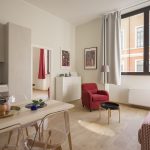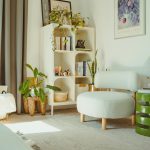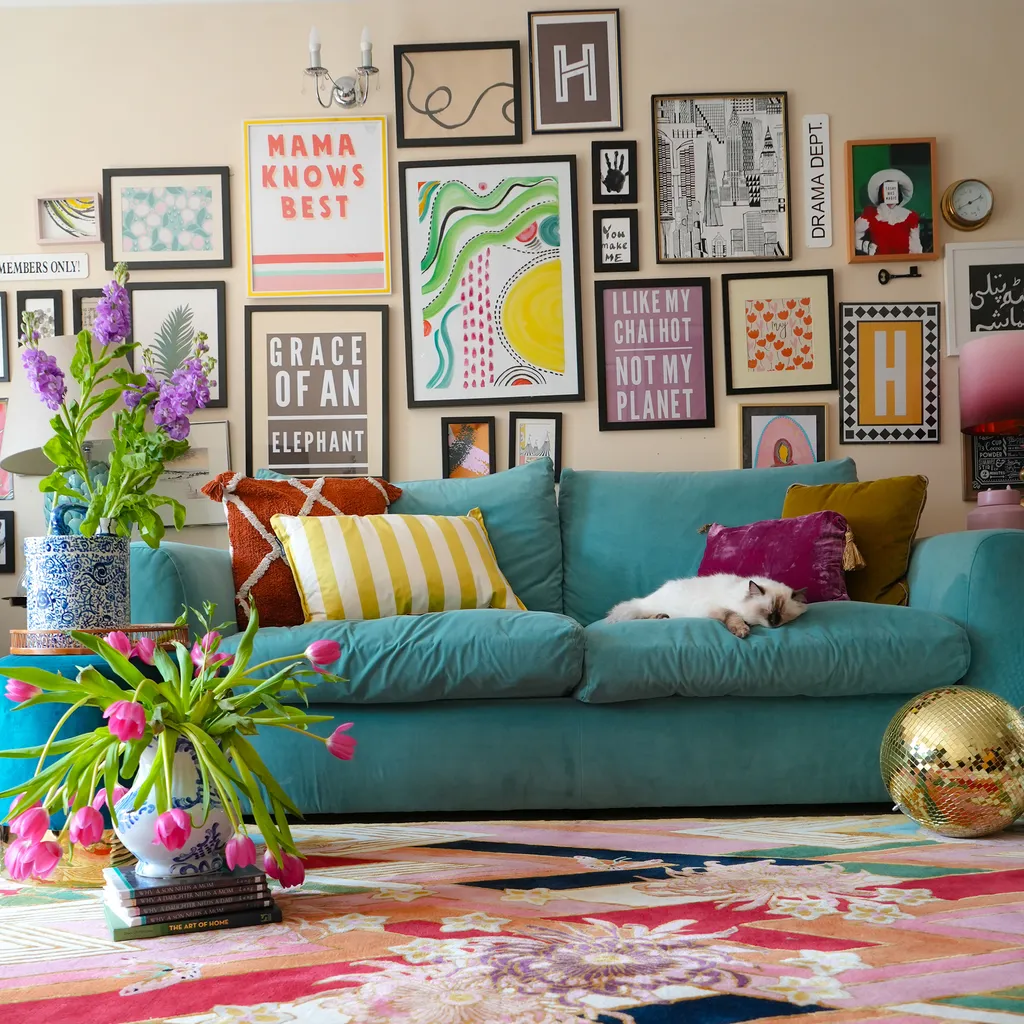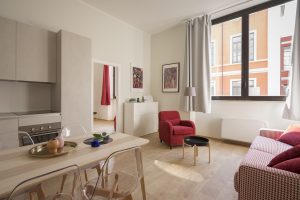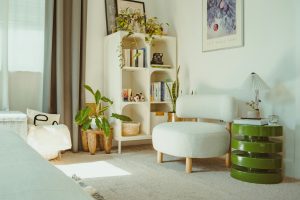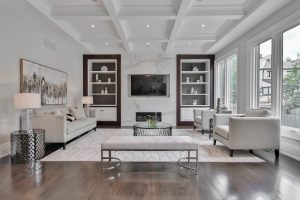


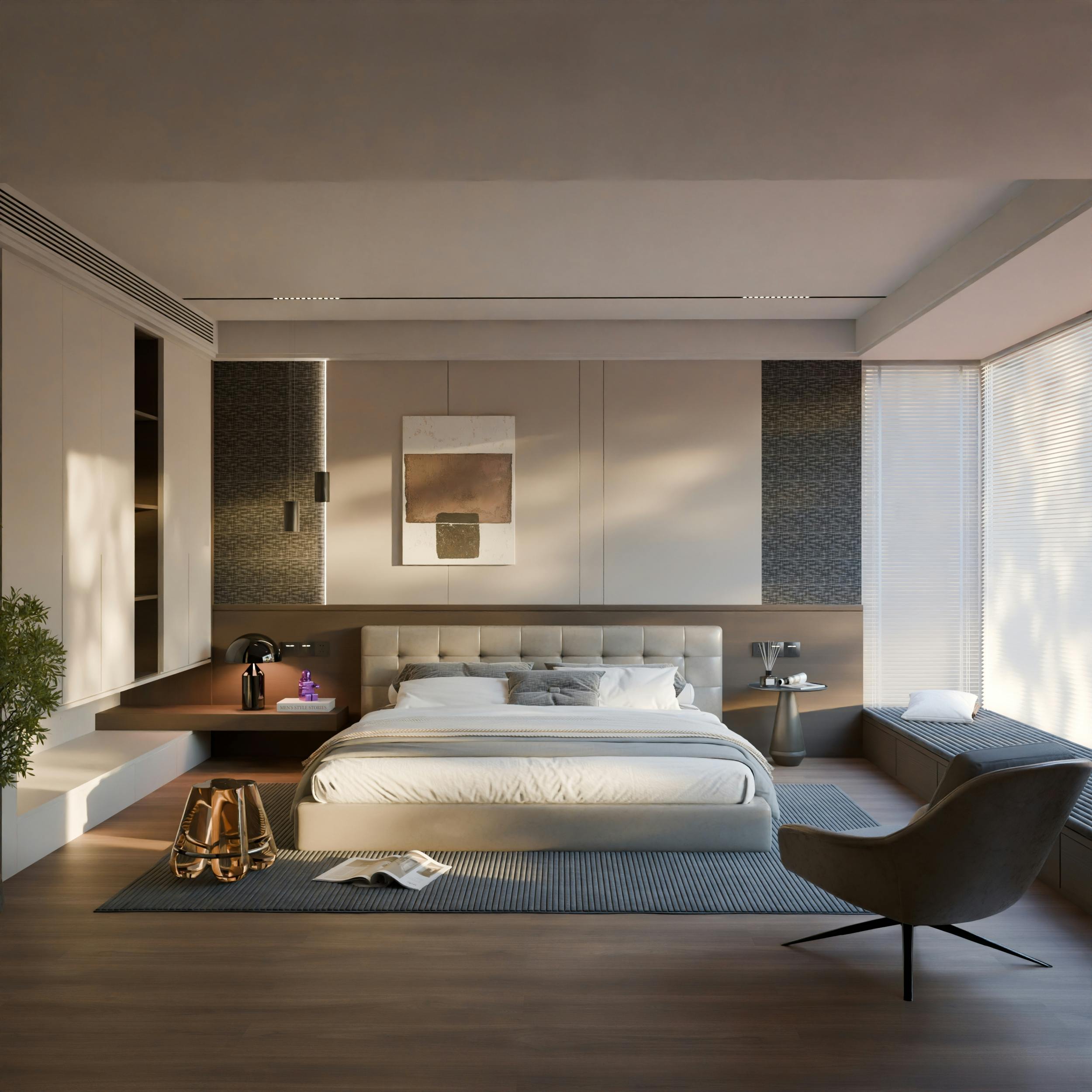
You signed a lease, not a life sentence to bland beige walls and builder-grade everything. The truth is, you don’t need to own your space to make it look like you do. With the right moves — most costing under $100 — a rental apartment can look genuinely luxurious. Here’s the complete playbook.
📌 Quick share: Pin this post, share it with a friend who just moved in, or bookmark it for your next move.

Why Rental Apartments Can (and Should) Look Expensive
According to the U.S. Census Bureau, over 44 million households in the United States rent their homes — that’s roughly 35% of all occupied housing. Yet a 2023 Apartment List survey found that 58% of renters feel their space doesn’t reflect their personal style, largely because they assume decorating a rental isn’t worth the effort or investment.
That’s a missed opportunity. Interior designers consistently confirm that the look of luxury is more about composition, light, and texture than price tags. With strategic choices, you can transform a cookie-cutter rental into a space that genuinely impresses — and do it without risking your security deposit.
“Luxury isn’t about what you paid — it’s about the story your space tells at first glance.”
1. Start With Paint-Free Walls That Make a Statement
Most leases prohibit painting walls. But that doesn’t mean you’re stuck with blank white boxes. Here are renter-safe wall upgrades that look high-end:
- Removable wallpaper (peel-and-stick): Brands like Tempaper and Chasing Paper offer designs indistinguishable from real wallpaper. A single accent wall can completely transform a room. Average cost: $50–$150 for a feature wall.
- Large-scale wall art: A single oversized canvas or framed print (even from a print shop or IKEA) anchors a room and eliminates that “bare apartment” look. Lean it instead of hanging it if you’re worried about wall damage.
- Gallery walls with Command Strips: 3M Command Strips hold up to 16 lbs and leave no marks. A curated gallery wall of 5–7 matching frames creates a designer feel for under $60.
- Fabric wall hangings and tapestries: Woven macramé or fabric panels add texture and warmth without a single nail hole (use tension rods or adhesive hooks).
Pro tip from designers: Stick to a cohesive color palette across all wall decor. Mixing too many colors makes even expensive pieces look chaotic.
2. The Curtain Hack That Changes Everything
If there’s one change that delivers the most dramatic “expensive look” bang for your buck, it’s replacing or upgrading your window treatments. Most rental apartments come with cheap plastic blinds that scream “dorm room.” Here’s what to do instead:
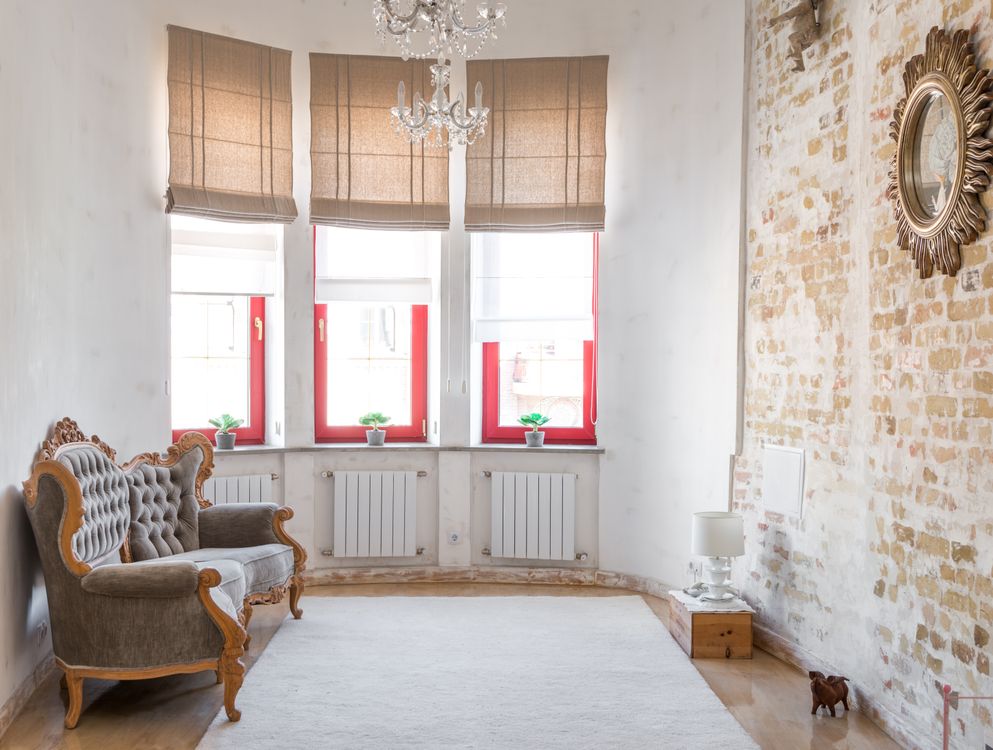
The secret is simple: hang curtains as high as possible and as wide as possible. Mount the rod close to the ceiling (not above the window frame) and extend it 8–12 inches beyond the window on each side. This makes windows — and the entire room — look taller and more luxurious.
- Floor-to-ceiling linen-look curtains: IKEA’s MAJGULL or H&M Home offer beautiful linen-blend curtains for under $40 a pair.
- Velvet curtains for evening warmth: A single pair of deep velvet drapes (forest green, navy, or burgundy) turns a plain room into something that looks straight out of an interior design magazine.
- Sheer panels layered over blinds: Keep the original blinds for privacy and layer sheer white panels over them for a bright, airy feel.
“Curtains hung from ceiling to floor make a $500/month apartment look like a $2,000/month one — and cost less than a dinner out.”
3. Layer Your Lighting — The #1 Secret of Expensive-Looking Interiors
Overhead lighting is the enemy of ambiance. Interior designers call relying solely on ceiling lights “the cardinal sin of rental decorating.” A Houzz Interior Trends Report found that lighting was cited as the top feature that makes a space feel upscale by 71% of interior designers surveyed.
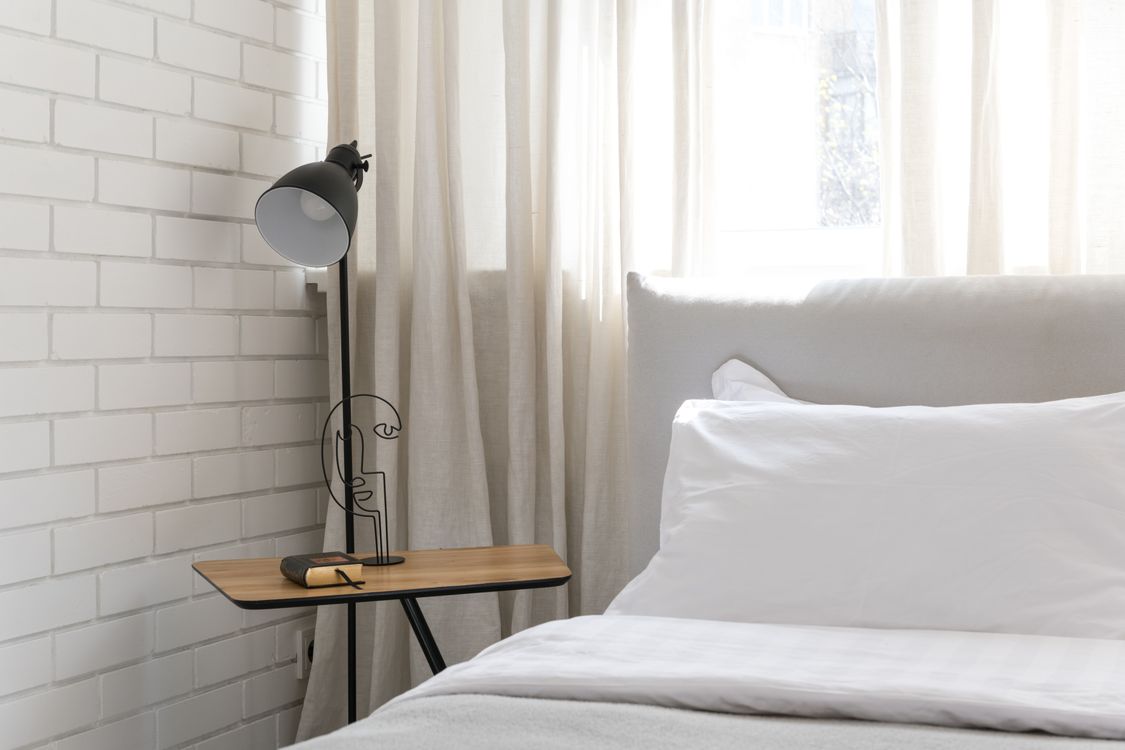
Here’s how to build a layered lighting system on a budget:
- Floor lamps: A single arc or tripod floor lamp (available from Amazon or Target for $40–$80) in a corner adds immediate drama and directs light beautifully.
- Table lamps: Place lamps at eye level — on nightstands, side tables, or console tables — to create pools of warm light. Two matching lamps flanking a sofa = instant hotel-suite feel.
- Swap bulbs to warm-white: Replace any cool-white bulbs (5000K+) with warm-white bulbs (2700K–3000K). This single change costs $10 and makes every room look warmer and more sophisticated.
- LED string lights and candles: Battery-operated fairy lights inside glass vases or along shelves add a romantic, high-end ambiance without any wiring.
4. Rugs: The Foundation of Every Expensive-Looking Room
If your rental has generic laminate or tile floors, a rug is non-negotiable. A properly sized rug is the single most transformative furniture-adjacent purchase you can make. The most common mistake? Going too small.
Here’s the designer rule for rug sizing:
- Living room: All front legs of sofas and chairs should sit on the rug. For a standard living room, this usually means an 8×10 or 9×12 rug minimum.
- Bedroom: The rug should extend at least 18–24 inches on each side of the bed. A 5×8 under a full bed feels cramped; go for 8×10 under a king.
- Dining room: All chair legs should remain on the rug even when chairs are pulled out.
Budget picks that look luxury: Ruggable washable rugs ($179–$299), IKEA STOCKHOLM flatwoven rugs, and Amazon’s stone-washed cotton options all offer high-end aesthetics at accessible prices. You can also layer two rugs — a large flatweave base with a smaller textured rug on top — for a designer, bohemian-luxe look.
“A rug that’s too small is worse than no rug at all. Size up, always.”
5. Bring in Plants — Nature’s Most Affordable Luxury
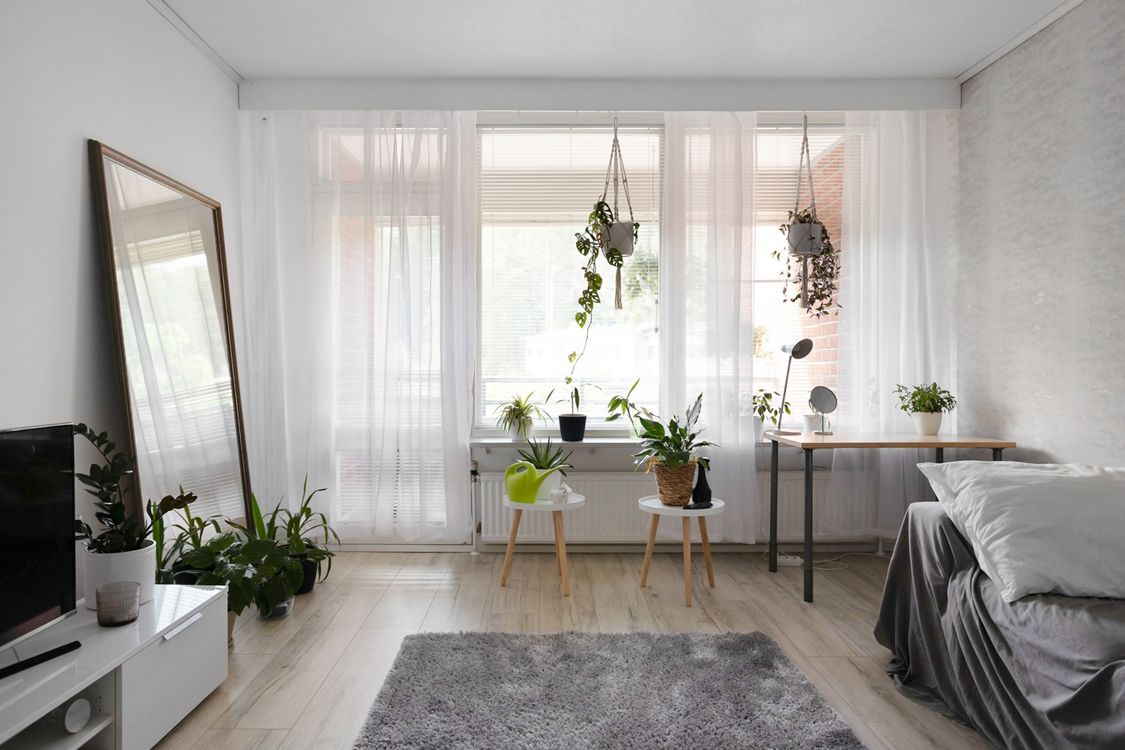
A study published in the Journal of Environmental Psychology found that the presence of plants in a living space significantly increases perceived quality and comfort of the environment. Interior designers consistently list plants among their top five most cost-effective luxury upgrades.
Here’s how to use plants strategically in a rental:
- Statement floor plants: A large fiddle-leaf fig, monstera, or bird of paradise in a corner ($25–$60) instantly adds the same vertical drama as expensive furniture.
- Shelf styling: Group 3–5 small plants at varying heights on open shelves. Mix trailing plants (pothos, ivy) with upright ones (snake plant, ZZ plant) for depth.
- Stylish planters matter: A $5 plant in a $20 handmade ceramic planter looks like a $40 designer piece. Invest in the vessel, not just the plant.
- Low-maintenance picks for beginners: Pothos, snake plants, ZZ plants, and peace lilies thrive even with minimal care and irregular watering.
6. Upgrade Your Textiles: Throw Pillows, Blankets, and Bedding
Luxury hotels spend thousands on their bedding — and guests always comment on it. You can replicate that effect for a fraction of the price. According to a 2022 survey by Sleep Foundation, 78% of people say the quality of bedding directly influences how they perceive the overall quality of a space.
For the bedroom:
- Invest in a high-quality duvet cover (linen or sateen, at least 400 thread count). Brooklinen, Parachute, and H&M Home all offer excellent options at $60–$120.
- Layer throw pillows: 2 Euro shams (large square pillows in the back), 2 standard pillows, and 2 decorative pillows in front creates that hotel-suite stacked-pillow look.
- Add a chunky knit throw draped at the foot of the bed — it adds texture and signals cozy luxury immediately.
For the living room:
- Use an odd number of throw pillows (3 or 5) in varying sizes and textures. Mix velvet, linen, and knit for depth.
- A coordinated color palette across cushions creates a pulled-together, designer look.
“Textiles are the fastest way to add warmth, texture, and color to a space — and the easiest to take with you when you move.”
7. Declutter and Edit: The Free Luxury Upgrade
Here’s a budget hack that costs absolutely nothing: ruthless editing. Every high-end interior has one thing in common — restraint. Expensive spaces don’t have more stuff; they have better-chosen stuff with breathing room around it.
Apply the “one in, one out” rule — for every decorative item you add, remove something else. Clear your kitchen counters of everything except one or two intentional pieces. Store extra items in closed storage rather than open shelving.
A Harvard Business Review piece on minimalism and perceived wealth found that consumers consistently rate sparse, curated spaces as higher-end than equally-priced but cluttered ones. Less truly does look like more.
8. Small Hardware Swaps with Big Impact
One of the most overlooked rental upgrades: cabinet hardware. Most apartments come with generic silver or brushed chrome handles and knobs. Swapping these out for matte black, brushed brass, or antique bronze options is a 20-minute task that dramatically elevates your kitchen and bathroom.
- Save the original hardware in a labeled bag so you can reinstall it when you move out.
- New knobs and pulls average $3–$8 each — a full kitchen update runs $30–$60.
- Apply the same logic to light switch plates: white plastic covers can be swapped for brushed brass or matte black versions ($5–$12 each) and swapped back on move-out.
- Replace a builder-grade showerhead with a rainfall or modern styled version ($25–$50) — keep the original to reinstall later.
9. Mirror Magic: Make Any Room Feel Bigger
Mirrors are a designer’s oldest trick for small spaces. They bounce light, create depth, and add a luxurious quality to any room — especially the bedroom and hallway.
- Leaning floor mirrors: A large, leaning full-length mirror (especially arched or ornate-framed) makes a bedroom or living area look significantly larger and more styled.
- Mirror placement: Position mirrors across from windows to reflect natural light and brighten dark rooms.
- Budget finds: IKEA’s NISSEDAL mirror ($59) and HomeGoods often stock designer-style ornate mirrors for $30–$80.
10. Scent: The Invisible Luxury Layer
Luxury hotels and high-end retail spaces all invest in scent branding — and for good reason. Research from the Sense of Smell Institute shows that scent is the sense most strongly linked to memory and mood perception, with a well-scented space rated as significantly higher quality by visitors.
You don’t need an expensive diffuser system. A few well-placed soy candles, a reed diffuser near the entryway, or even a linen spray on your curtains and bedding creates an immediate impression of care and quality. Opt for clean, sophisticated scents: sandalwood, cedarwood, white tea, or citrus. Avoid synthetic “plug-in” style fragrances, which tend to read as cheap.
“A great-smelling apartment feels expensive before anyone even looks around.”
Your Budget Breakdown: What to Prioritize First
Here’s a prioritized spending guide based on maximum visual impact per dollar:
| Priority | Upgrade | Estimated Budget | Impact Level |
|---|---|---|---|
| 1 | Floor-to-ceiling curtains | $40–$80 | ⭐⭐⭐⭐⭐ |
| 2 | Proper-sized area rug | $100–$250 | ⭐⭐⭐⭐⭐ |
| 3 | Layered lighting (2–3 lamps) | $60–$150 | ⭐⭐⭐⭐⭐ |
| 4 | Warm-white bulb swap | $10–$20 | ⭐⭐⭐⭐ |
| 5 | Statement wall art or peel-and-stick wallpaper | $50–$150 | ⭐⭐⭐⭐ |
| 6 | Upgraded bedding & throw pillows | $80–$150 | ⭐⭐⭐⭐ |
| 7 | Statement floor plant + stylish planter | $30–$80 | ⭐⭐⭐⭐ |
| 8 | Hardware swap (kitchen + bath) | $30–$70 | ⭐⭐⭐ |
| 9 | Leaning floor mirror | $40–$80 | ⭐⭐⭐ |
| 10 | Scent (candles + reed diffuser) | $20–$50 | ⭐⭐⭐ |
Frequently Asked Questions
Can I decorate my rental apartment without losing my security deposit?
Yes. The key is using damage-free hanging solutions (3M Command Strips, adhesive hooks), removable wallpaper, and leaning mirrors and art rather than hanging them. Always document changes with photos and keep all original hardware.
What’s the most impactful single change I can make in a rental apartment?
Based on cost vs. visual impact, curtains consistently rank as the #1 single upgrade. Hanging floor-to-ceiling curtains costs $40–$80 and transforms the perceived height, light, and quality of any room immediately.
How do I make a small rental apartment look bigger?
Use large mirrors opposite windows, choose a large-enough area rug, hang curtains high and wide, keep clutter minimal, and use light neutral colors in your soft furnishings. Vertical lines (tall curtains, tall bookshelves, vertical artwork) draw the eye upward and make ceilings feel higher.
What plants are best for a rental apartment?
For beginners: pothos, ZZ plants, snake plants, and peace lilies are nearly indestructible and look elegant. For more advanced plant parents: monstera deliciosa, fiddle-leaf fig, and bird of paradise make dramatic, high-end statements.
Is it worth decorating a rental if I might move in a year?
Absolutely. Most of the upgrades suggested here are portable — curtains, rugs, lamps, plants, throw pillows, and mirrors all come with you. You’re not investing in the apartment; you’re investing in your quality of life and your personal environment.
The Bottom Line
Making a rental apartment look expensive isn’t about spending money you don’t have — it’s about spending smarter and prioritizing the changes with the biggest visual return. Curtains, rugs, lighting, and plants are your four highest-leverage moves. The rest are thoughtful additions that compound over time.
Your rental is your home — and your home should feel like it.
💬 Found this helpful? Share it with a friend who just moved into a new place, or pin it for your next move. And if you’ve tried any of these tricks, drop your experience in the comments below — we’d love to hear what worked best for you!
Sources: U.S. Census Bureau Housing Vacancy Survey 2023; Apartment List Renter Confidence Survey 2023; Houzz Interior Trends Report; Journal of Environmental Psychology (plants and perceived space quality); Harvard Business Review on minimalism and perceived wealth; Sleep Foundation Consumer Survey 2022; Sense of Smell Institute research on scent and environmental perception.